
Last updated November 21, 2026
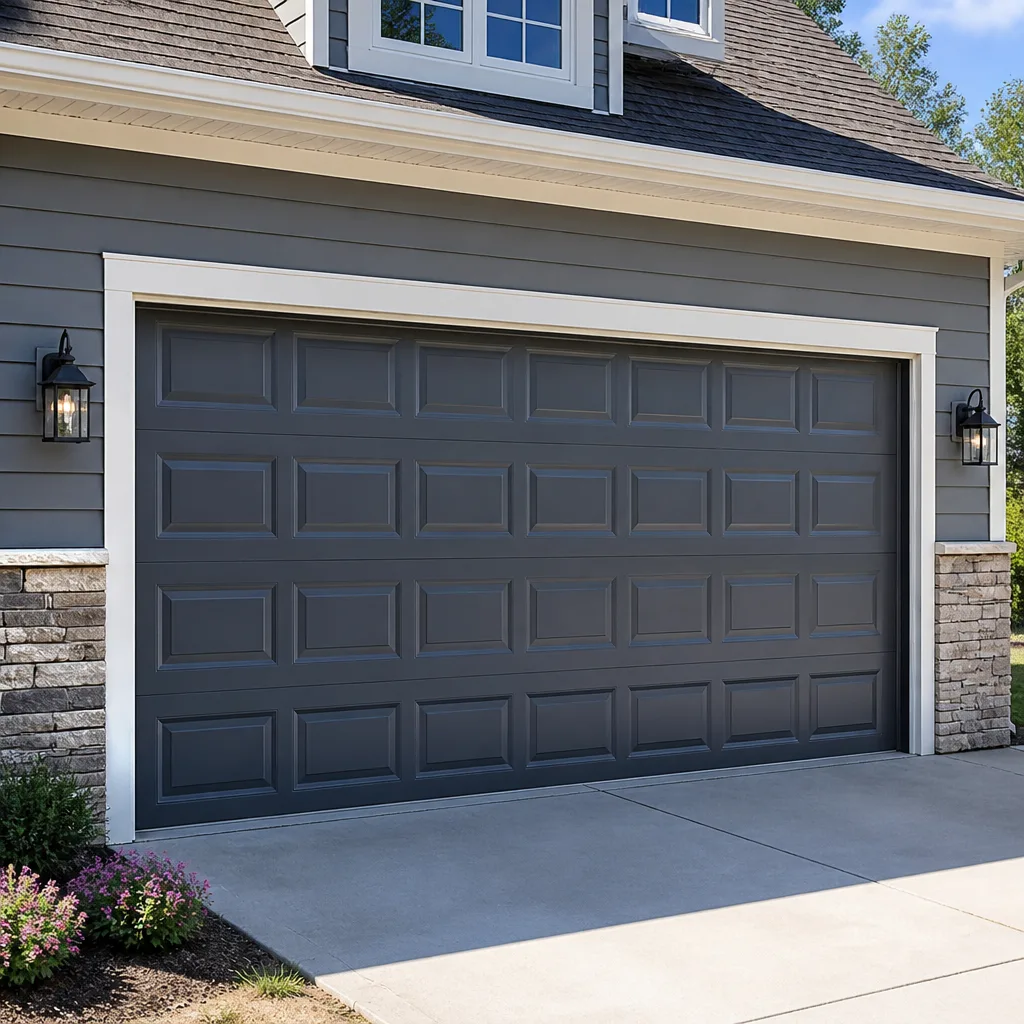 Raised-panel steel
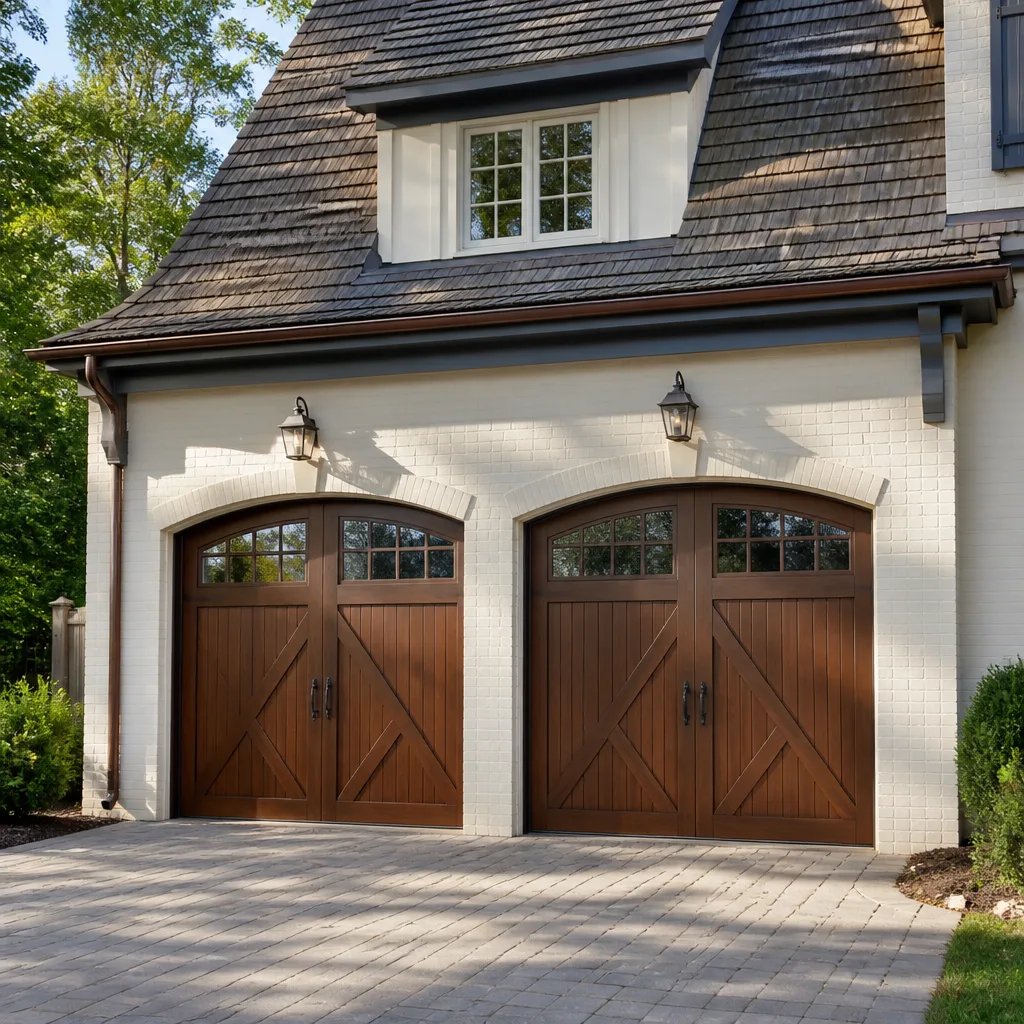 Carriage house
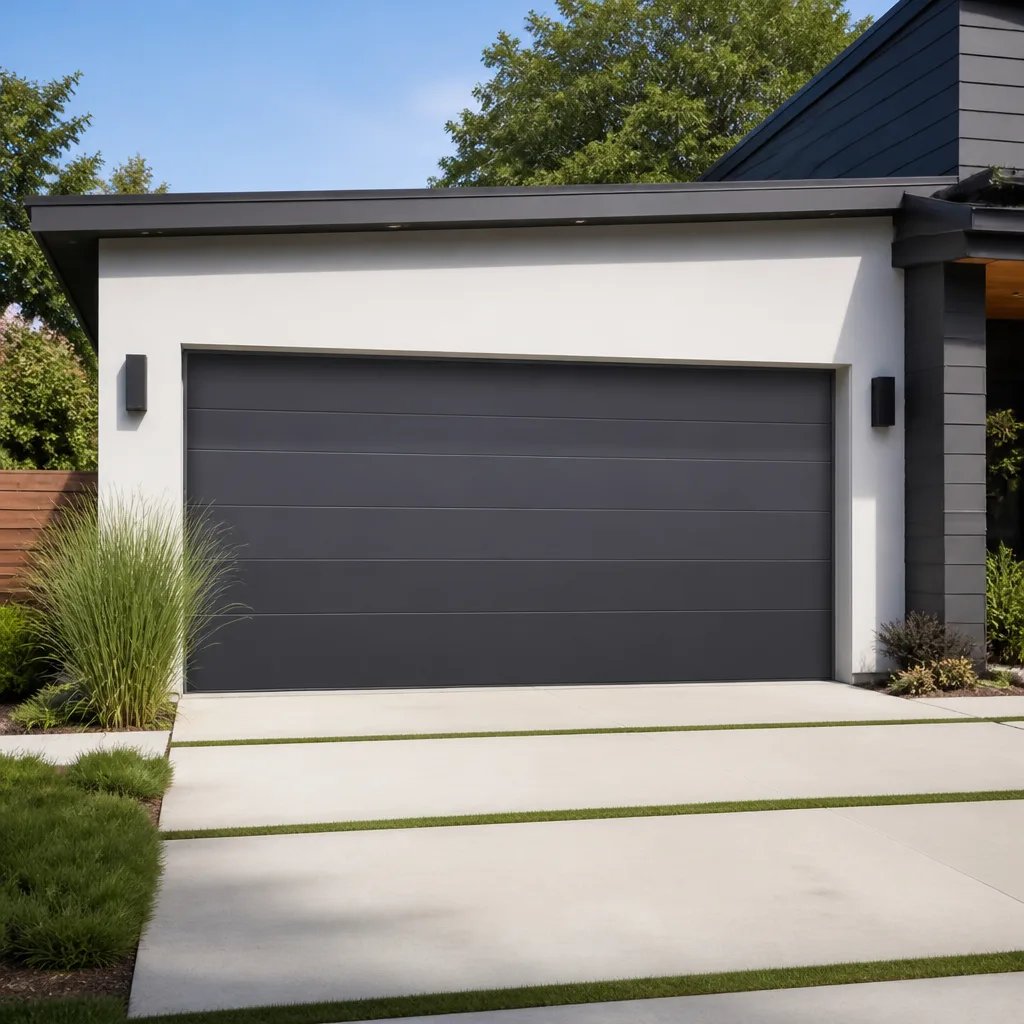 Modern flush
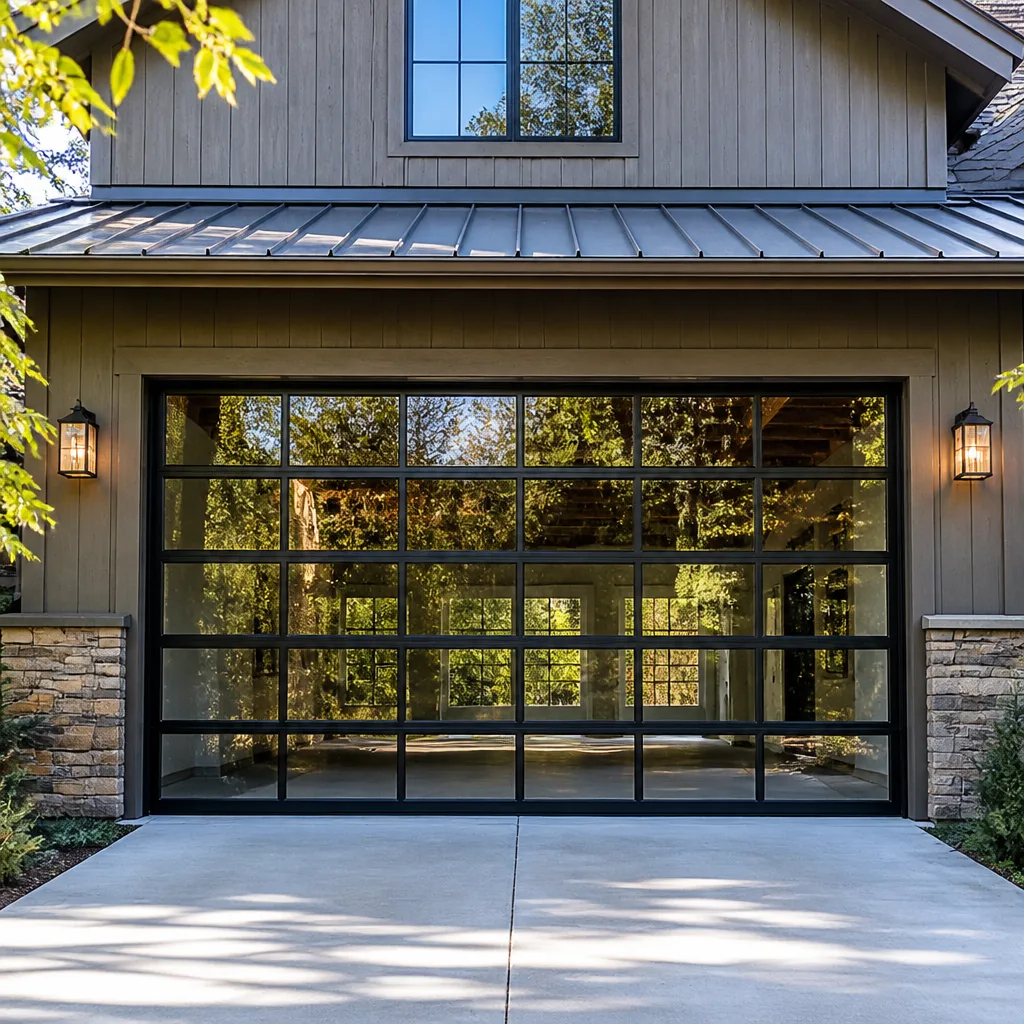 Full-view glass
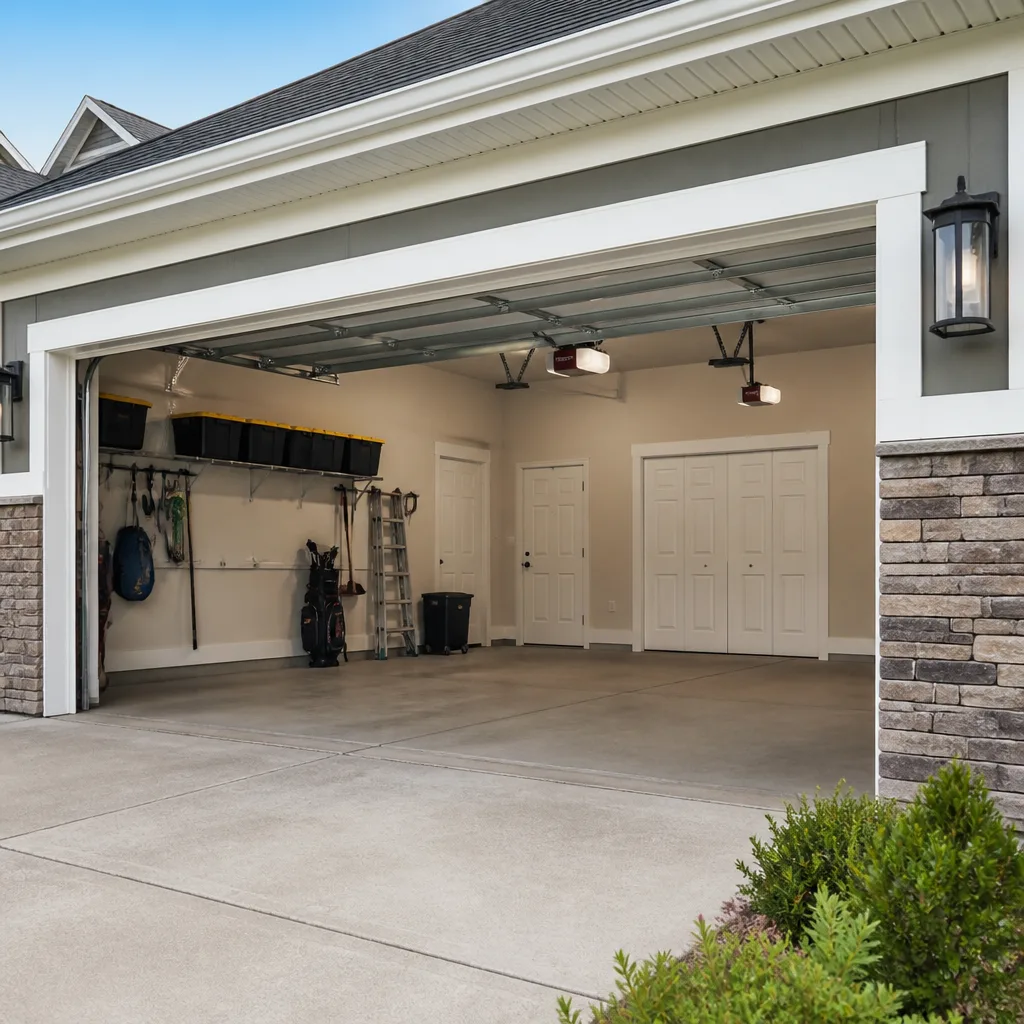 LiftMaster openers
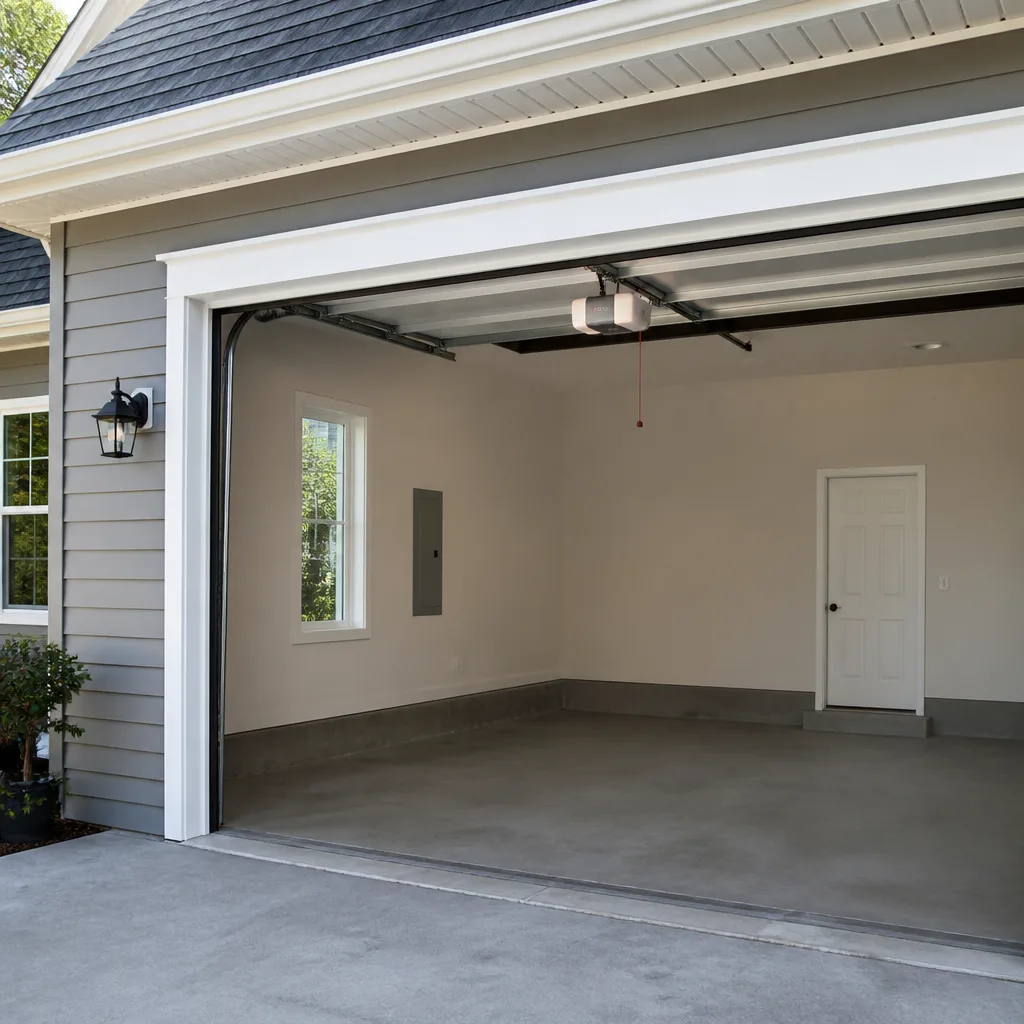 Chamberlain openers
Full 25-point door and opener safety check with every visit - springs, cables, rollers, tracks, and your LiftMaster or Chamberlain opener included
You get a price before we start. It does not change when the pro arrives.
Get your free estimateSeasonal Garage Door Care for Poinciana: Year-Round Homeowner’s Guide
Ask most homeowners when garage door problems hit hardest and you’ll hear “summer” or “hurricane season.” In Poinciana, the most damaging month for garage door hardware is often October. Summer humidity builds inside door panels and tracks for months, then temperatures drop and that moisture starts contracting. Fasteners that felt tight in August loosen. Weatherstripping that looked fine all summer starts to crack. The damage was set in motion weeks earlier. This guide maps garage door care to Poinciana’s actual climate phases – wet season, heat peak, transition months, dry season, and pre-hurricane prep – so you’re working with the weather instead of reacting to it.
Styles & brands we work with
- Raised-panel steel
- Carriage house
- Modern flush
- Full-view glass
- LiftMaster openers
- Chamberlain openers
Quick Answer
In Poinciana, garage door care follows four real climate phases, not four traditional seasons: wet season (June-September), heat peak (July-August), transition (October-November), and dry season (December-February). Each one stresses different parts of the system. Wet season demands weekly monitoring of tracks, bottom rails, and weatherstripping. Heat peak calls for spring tension and opener motor checks. Transition months are when you catch fastener loosening before it cracks a panel. Dry season is the best window for spring replacement and opener tune-ups. Pre-hurricane prep (April-May) is its own checklist for wind-load hardware, release cords, and opener backup power.
Table of Contents
- Why Poinciana Doesn’t Have Four Seasons (And Why That Matters for Your Door)
- Wet Season (June-September): Weekly Monitoring During Storm Season
- Heat Peak (July-August): How 100°F+ Garage Temps Affect Springs and Openers
- Transition Months (October-November): The Contraction Check Protocol
- Dry Season (December-February): The Best Window for Spring and Opener Work
- Pre-Hurricane Prep (April-May): Wind-Load Hardware and Backup Power
- The Poinciana Monthly Garage Door Checklist
- Common Mistakes to Avoid
- When to Call a Professional
- Frequently Asked Questions
- The Bottom Line
Why Poinciana Doesn’t Have Four Seasons (And Why That Matters for Your Door)
Poinciana sits in central Florida’s subtropical zone. There’s no long freeze, no deep winter, and no classic spring thaw. What the area has instead is a wet season that runs roughly June through September, a heat peak that lands in July and August, a short mild window in what the rest of the country calls winter, and a dry stretch from December into February. That’s four distinct phases, just not the ones most garage door care calendars assume.
Why does the distinction matter? A garage door system is a set of materials with different expansion and contraction rates. Steel panels, aluminum tracks, rubber weatherstripping, nylon rollers, and torsion springs all respond to heat and moisture differently. In a climate with a hard freeze, the whole system contracts together for months and stays there. In Poinciana, the system cycles. Humidity swells wood door cores and finds its way into fasteners. Heat peaks stress spring tension and motor windings. Then a mild dry window pulls everything back. Over a single year, that’s more movement than a comparable door in a colder climate sees over several.
What this guide does is break the year into the phases Poinciana actually experiences, and give you specific tasks for each. You’ll find the checks that matter, the ones you can skip, and the moments when a professional is the right call. We’re Poinciana Garage Door Repair Co, and this is the maintenance calendar we’d hand any homeowner in the area.
The other reason this matters: the typical Poinciana housing stock. Many homes here are newer builds, often with steel or steel-backed insulated panels and belt-drive openers. Newer systems are more forgiving, but they’re also more sensitive to poor installation clearances and to humidity working behind weatherstripping. A door that’s only a few years old can still develop rusted bottom rails or shifted tracks if the wet season gets ahead of you.
Wet Season (June-September): Weekly Monitoring During Storm Season
Wet season is the busiest stretch of the year for garage door problems in Poinciana. Afternoon storms dump rain sideways, garage floors stay damp, and humidity sits inside the building envelope for weeks at a time. The garage is usually the most humid room in the house, and the door is its most exposed component. Doing a ten-minute check every week or two during these months prevents the slow damage that shows up in October.
Here’s what to watch during wet season:
- Bottom rail rust: Look at the metal bar running along the bottom of the door panel. Standing water in the garage, even a shallow puddle, keeps that rail wet. Surface rust shows up as orange-brown speckling. If you see it early, a wipe-down with a dry cloth and a light application of a rust-inhibiting product slows it. If it’s pitted, the rail may need replacement.
- Weatherstripping under the door: The rubber seal that meets the floor is your first defense against water. Run your hand along it after a storm. A wet floor ring inside the seal means it’s failing. Cracks or hardened rubber at the edges mean it’s due.
- Track channels: Water and blown-in debris collect in the track channels. Grit there wears rollers and can push the door out of alignment. A dry rag wipe every couple of weeks keeps it clean.
- Fasteners: Humidity causes screws and bolts to loosen very slowly. Check the hinges and bracket fasteners every few weeks; a quarter-turn on a loose screw early beats a stripped hole later.
- Panel seams: Water gets behind panel seams and into the core on steel-backed doors. If you see staining or bubbling on the interior panel face, that’s moisture infiltration.
- Opener housing: Ceiling-mounted openers in humid garages can develop condensation on the housing. If the opener’s circuit board area has any water spotting, call for a check. LiftMaster and Chamberlain units in particular have tight tolerance in the logic board bay.
If your garage tends to hold water, a simple floor drain clearing before June is worth the effort. If the water table or grading keeps the slab wet all season, you’re fighting a losing battle with the door hardware. In that case, a raised threshold or a thicker bottom seal designed for wet slabs helps. We’ve seen plenty of Poinciana garages where the fix was as simple as a new bottom seal; we’ve also seen homes where the door needed an entirely different bottom-rail style to handle the moisture.
One more wet-season item specific to central Florida: expect more frequent opener resets. Power flickers from summer storms leave logic boards in odd states. An opener that ignores remotes for a few minutes after an outage is usually fine – it’s pairing back up. An opener that won’t reset at all after a storm is a sign the surge got into the board. Raynor and Genie units both have surge-protection relay behaviors that make this easier to spot; a technician can tell you within a minute whether the board is working.
Heat Peak (July-August): How 100°F+ Garage Temps Affect Springs and Openers
In late July and August, a Poinciana garage with an uninsulated door can hit sustained interior temperatures well above 100°F during the afternoon. For the hardware, that’s a different stressor than humidity. Metal expands. Springs stretch. Motor windings run hotter. Belt and chain drives slacken. The two components that feel it most are the torsion springs and the opener motor, and both are worth checking in this window.
Spring Tension in Heat
A torsion spring holds a precise amount of tension to balance the door. Heat makes steel slightly more ductile and lengthens the wire. That shifts the balance point. A door that was perfectly counterweighted in March feels heavier by August, which puts extra load on the opener. The symptom to watch is a door that doesn’t stay open at half-height, or one that rises slowly or drops more heavily than before. Extension spring systems show the same pattern.
Do not adjust torsion springs yourself. Torsion springs are pre-loaded with enough energy to seriously injure someone who doesn’t know the correct procedure and tooling. This is the single most dangerous part of any garage door. If the balance feels off, call a technician who works with torsion systems every day. Our technicians have up to 9 years of experience between them on spring work, and it’s the call we’d make ourselves every time.
Opener Motor Longevity in the Heat Peak
Opener motors are rated for a specific duty cycle. When the garage interior sits at 100°F+, the motor’s internal temperature rises faster with every open. Belt-drive openers like most current LiftMaster and Chamberlain models handle this reasonably well because they have fewer high-friction parts, but chain-drive openers on a house facing afternoon sun can run hotter than they should. Listen for a changing sound: a healthy opener has a consistent hum, while a motor under heat stress will sometimes sound strained or click during the run.
What to check in July-August:
- Clear dust and cobwebs from around the opener housing and its vents.
- Confirm the opener’s light comes on and off normally; a flicker can signal a hot board.
- Test the safety reverse: place a 2×4 flat on the floor and confirm the door reverses when it contacts it. If it doesn’t, stop using the door and call.
- Listen to the belt or chain. Excessive slack shows up as a rattle or slap at the start of travel.
- Check the manual for your opener (Genie, Chamberlain, Raynor all publish theirs) and follow the manufacturer’s recommended lubrication for the chain or belt.
If your garage is on the west or southwest side of the house, consider insulating the door. That single change lowers the interior garage temp noticeably and takes stress off both the springs and the opener. It also makes the space usable for storage or a workshop.
Transition Months (October-November): The Contraction Check Protocol
This is the section most garage door guides skip, and it’s the one that matters most in Poinciana. October and November are when the door goes through its biggest structural shift of the year. Summer humidity retreats, temperatures drop, and every piece of hardware on the door contracts slightly. Fasteners that loosened imperceptibly during the wet season become loose enough to move. Weatherstripping that was pliable all summer dries and cracks. Panel edges that swelled with moisture now shrink, exposing small gaps at the seams.
Here’s the contraction check protocol, run once in mid-October:
- Walk the perimeter of the door and press the weatherstripping with your thumb. Good rubber bounces back. Rubber that’s cracked, stiff, or missing chunks at the corners needs replacement before the dry season.
- Check every hinge and bracket fastener with a screwdriver. Don’t tighten aggressively; just find the ones that turn freely. Those need a quarter-turn to snug.
- Look at panel seams from inside the garage during daylight. Any light showing through a seam that wasn’t there in summer means the panel joint has moved. Don’t ignore it; a stress crack starts at these points.
- Test the door balance. Disconnect the opener with the release cord. Lift the door halfway by hand. If it doesn’t stay put, the spring needs adjustment. Reconnect the opener before you let go of the door.
- Run the door through three full open-close cycles. Listen for a new rattle, a squeak, or a chatter in the track. Noise changes in October usually mean a roller, hinge, or track alignment issue.
- Inspect the bottom rail again for rust. The wet season damage is now visible. If rust is new since June, plan a light treatment and reseal.
If all six checks come back clean, you’ll likely sail through the dry season with just routine care. If two or more show issues, that’s your cue to schedule a service visit before the dry season starts. The dry season window (December-February) is the ideal time for any repair work, so getting the queue set in October avoids the rush.
Dry Season (December-February): The Best Window for Spring and Opener Work
If we could pick the single best window in Poinciana for garage door spring replacement and opener tune-ups, it’s December through February. The garage interior is at its most comfortable, humidity is low, and the door isn’t seeing the thermal stress that makes a mid-season repair more complex. Any work that requires disassembling or adjusting the door goes smoother, and the parts you install will settle into a more stable state through the spring.
What the dry season is best for:
- Spring replacement. Torsion springs wear out on a predictable cycle based on cycles of use, but the tension calibration is easier and holds longer when done in a milder window. If your door is eight to twelve years old and the springs have never been replaced, this is the season to plan it.
- Opener tune-up. Clean the drive track, verify the force settings, test the safety reverse, and check the light delay timing. If you’re on a chain drive, this is the time for lubrication. A garage door opener repair job is considerably easier to coordinate when the door isn’t fighting summer heat.
- Weatherstripping replacement. New bottom seals and side seals last longer when installed in dry conditions. The rubber cures to the door better with lower ambient humidity.
- Roller and hinge replacement. Nylon rollers and hinges are the first wear items to go and are straightforward to replace when the door is running smoothly.
- Full panel installation. If a panel has cosmetic damage from the wet season or friction wear, the dry window is the time to swap it.
One more dry-season advantage: it’s when you’ll actually notice a problem early. Doors that ran quietly through summer develop small noises in the milder months, and those noises are your cue to call before they become real failures. In our experience, a dry season tune-up every one to two years keeps most Poinciana garage doors running without surprise failures for many years.
Pre-Hurricane Prep (April-May): Wind-Load Hardware and Backup Power
April and May are the run-up to hurricane season. Whether or not a storm actually arrives, the prep work is worth doing every year – a lot of it also improves daily operation. This is the checklist we’d walk through if we were doing a pre-season inspection at your house.
Wind-Load Hardware
If your door was installed with a hurricane-rated wind-load kit or Reinforced Strut (which is standard on most newer Florida builds), verify every bracket and anchor is tight. The wind-load brackets at the jamb and the reinforcing struts on the panel faces are the components that matter. Check with a socket wrench set that every bolt is snug – not over-tightened, just firm. If a bracket is bent or a strut is deformed, that hardware needs replacement before season.
Manual Release Cord
Every opener has a manual release cord or handle used to decouple the door from the motor. If a hurricane knocks power out, that cord is how you open and close the door by hand. Check three things:
- The cord is intact and reaches a comfortable grab height (usually around 6 feet above the floor).
- The release mechanism moves freely when you pull it, and re-engages cleanly when you cycle the door.
- Nothing is stored in front of or around the release path, especially in the center of the door.
If the manual release doesn’t re-engage properly, the next storm-related power outage leaves you unable to run the door at all. That’s worth fixing before June.
Backup Power for Openers
Many modern openers, including most current LiftMaster and Chamberlain models, accept a battery backup accessory. If your opener doesn’t have one yet, this is the season to add it. A battery backup lets the opener run a limited number of cycles during an outage – usually enough to get vehicles out and back in. Test it by unplugging the opener and cycling the door.
Door Cycle Test
Run the door through a full open and close cycle while you watch the panel faces. If the door flexes oddly or you hear a creak at the top or bottom, that’s pressure on the wind-load hardware or an adjustment issue. Catching it now is far cheaper than catching it after a storm.
For a full garage door repair inspection before hurricane season, we’re happy to walk the system with you. Our fee-free estimates cover everything from wind-load hardware to opener electronics.
The Poinciana Monthly Garage Door Checklist
Here’s a condensed checklist to run every month, regardless of season. It takes about ten minutes. The items that matter most in a given month vary based on the phase we covered above, but running the full list keeps things simple.
- Listen to the door. A short listen during one open-close cycle catches nearly every developing problem in its earliest stage.
- Test the safety reverse. Lay a piece of wood flat on the floor beneath the door path and confirm it reverses. If it doesn’t, stop using the door and call.
- Inspect the weatherstripping. Run your hand along the bottom seal and the sides. Any cracking, missing pieces, or wet-floor spotting after a storm means replacement.
- Wipe down the track channels. A dry rag, no lubricant, clears debris and lets you spot rust or grit.
- Check fasteners. Run a screwdriver across the hinges and brackets. Any freely turning screws get a quarter-turn.
- Look at the bottom rail. Any new rust, staining, or pitting needs attention.
- Verify the manual release. Pull it, run the door halfway by hand, and re-engage.
- Check the balance. With the door disconnected from the opener, halfway up: does it stay put? If not, the spring needs attention.
- Clear the opener housing. Dust and debris reduce cooling, especially in the heat peak.
- Visual check on the opener’s light and remote response. Flickers or slowdowns on remote pair-up are early signs of logic board trouble.
If your door has Raynor or Genie hardware, the manufacturer’s owner manual is worth referencing for model-specific lubrication intervals and recommended parts. Both brands publish their maintenance schedules online. We work on all of them – LiftMaster, Chamberlain, Genie, Clopay, Amarr, Wayne Dalton, Craftsman, and Raynor – which means the recommendation you get is based on what fits your door, not a brand preference.
Common Mistakes to Avoid
- Adjusting torsion springs yourself. Torsion springs are the most dangerous component on the entire door. They carry enough stored energy to cause serious injury with a single wrong turn. Leave torsion work to a trained technician.
- Greasing the tracks. Track channels should stay clean and dry. Grease there collects grit and dust, which wears rollers faster. Only the rollers and hinges need lubrication, and only a few drops each.
- Ignoring October weatherstripping cracks. That crack you find in October is small. Left alone, it becomes a water path into the door core by next wet season. The 20-minute replacement now saves a panel by spring.
- Skipping the safety reverse test. This is the single most important test in garage door maintenance. A door that doesn’t reverse on contact with an obstacle is a hazard for any child, pet, or vehicle bumper underneath it. Test it every month.
- Using WD-40 on hinges and rollers. WD-40 is a water displacer, not a lubricant. It actually dries out the internal parts it touches over time. Use a proper garage door lubricant rated for rollers and hinges – a light grease or a purpose-made garage door spray.
- Over-tightening fasteners during the contraction check. A quarter-turn past snug strips threads or deforms the hinge plate. If a screw won’t stay firm, that’s a sign it needs replacement, not extra torque.
- Not testing the manual release before storm season. The cord is useless if it won’t re-engage cleanly after you pull it. Test it in April, not after the power goes out.
- Assuming newer homes don’t need seasonal checks. Newer Poinciana homes often have insulated steel doors, and those are more sensitive to humidity behind the weatherstripping than older wood doors. The check is more important, not less.
When to Call a Professional
Some garage door issues are a call to a professional from the first minute, and some can wait for a scheduled visit. Here’s how we’d draw the line.
Call right away for: a door that won’t reverse on the safety test, a torsion spring that’s broken or making a loud bang sound, a door that’s hanging off a track or cocked to one side, a door that won’t open at all, or anything that leaves the door partially open and the house unsecured. These are garage door spring repair and emergency door service situations. Emergency garage door service is part of what we do, not a specialty add-on.
Schedule a visit for: a door that’s noisier than usual, a spring you think is aging (eight to twelve years of use), a weatherstripping set that needs replacement, a full tune-up, or a new opener installation when you’re upgrading.
Poinciana Garage Door Repair Co offers free estimates in Poinciana – call (877) 471-4560. We answer 24/7. Fast dispatch from 7am to 7pm, Sunday through Friday.
Frequently Asked Questions
Once a year at minimum, ideally in the December to February dry season, plus a quick monthly check you do yourself. The dry season window is when spring and opener work is easiest and cheapest to coordinate, and a mid-October contraction check catches wet-season damage before it grows. If you have a hurricane-rated wind-load kit, add the April-May pre-season check to that schedule.
October, most years. Summer humidity builds inside panels and tracks for months, then the drop in temperature in early to mid-October causes hardware to contract. Fasteners that loosened slowly over the wet season become loose enough to notice, and weatherstripping cracks. Run the contraction check protocol in mid-October and you’ll catch the majority of developing problems.
No. Torsion springs – and to a lesser degree extension springs – are under extreme tension and can cause serious injury if mishandled. Even in a milder month, this is a job for a trained technician working with the right tooling. If the door feels heavy or unbalanced in July or August, call for a service visit; don’t try to tighten or adjust the springs yourself.
The local independent professionals we connect you with are licensed and insured as Florida requires. We can work with the details of your specific door and any warranty coverage. Call (877) 471-4560 for an exact quote on your specific situation – estimates are free.
Four things: wind-load bracket and strut fasteners (all tight), the manual release cord (pulls freely and re-engages), opener battery backup (tested and working), and a full door cycle while you watch for panel flex or creaking. The wind-load hardware is the priority. If a bracket is bent or a strut is deformed, replace it before June. Call (877) 471-4560 to schedule a pre-season inspection.
Yes, if you have an opener with battery backup (or you use the manual release). Test the manual release before storm season by pulling the cord, running the door halfway by hand, and re-engaging it. If the release doesn’t re-engage cleanly, that’s a repair to schedule before any outage situation. For openers without backup, ask about adding the accessory – current LiftMaster and Chamberlain models support it.
Not without your approval. We quote and agree on the price before any work starts. If the in-person inspection reveals something the initial conversation didn’t cover, the technician explains the additional work and the revised quote, and you decide whether to proceed. No surprise line items. Call (877) 471-4560 for an exact quote – estimates are free.
The Bottom Line
Poinciana’s garage door care calendar is set by wet season, heat peak, transition months, and dry season – not spring and fall. The wet season (June-September) is about weekly monitoring for rust, weatherstripping, and track grit. The heat peak (July-August) is about spring tension awareness and opener motor care. October-November is the contraction check, and it’s the single most valuable 20 minutes you’ll spend on the door all year. December-February is the ideal window for spring and opener work. April-May is hurricane prep for wind-load hardware, manual release, and backup power. Run the monthly checklist, respect the safety rules around torsion springs, and call us when a door goes quiet-then-loud or won’t reverse on the safety test. We service every major brand – LiftMaster, Chamberlain, Genie, Clopay, Amarr, Wayne Dalton, Craftsman, and Raynor – so the diagnosis is based on what’s actually on your door.
Call (877) 471-4560 for a free estimate. We answer 24/7. Fast dispatch from 7am to 7pm, Sunday through Friday, and we’re closed Saturday. A call outside dispatch hours is booked into the next opening. Whether it’s a wet-season leak you want to get ahead of or a spring that’s finally giving out, we’re here for the diagnosis and the fix. garage door opener repair and spring service are both covered by the same team, and the written estimate sets the final price before any work starts.
Written by the team at Poinciana Garage Door Repair Co.
See the difference
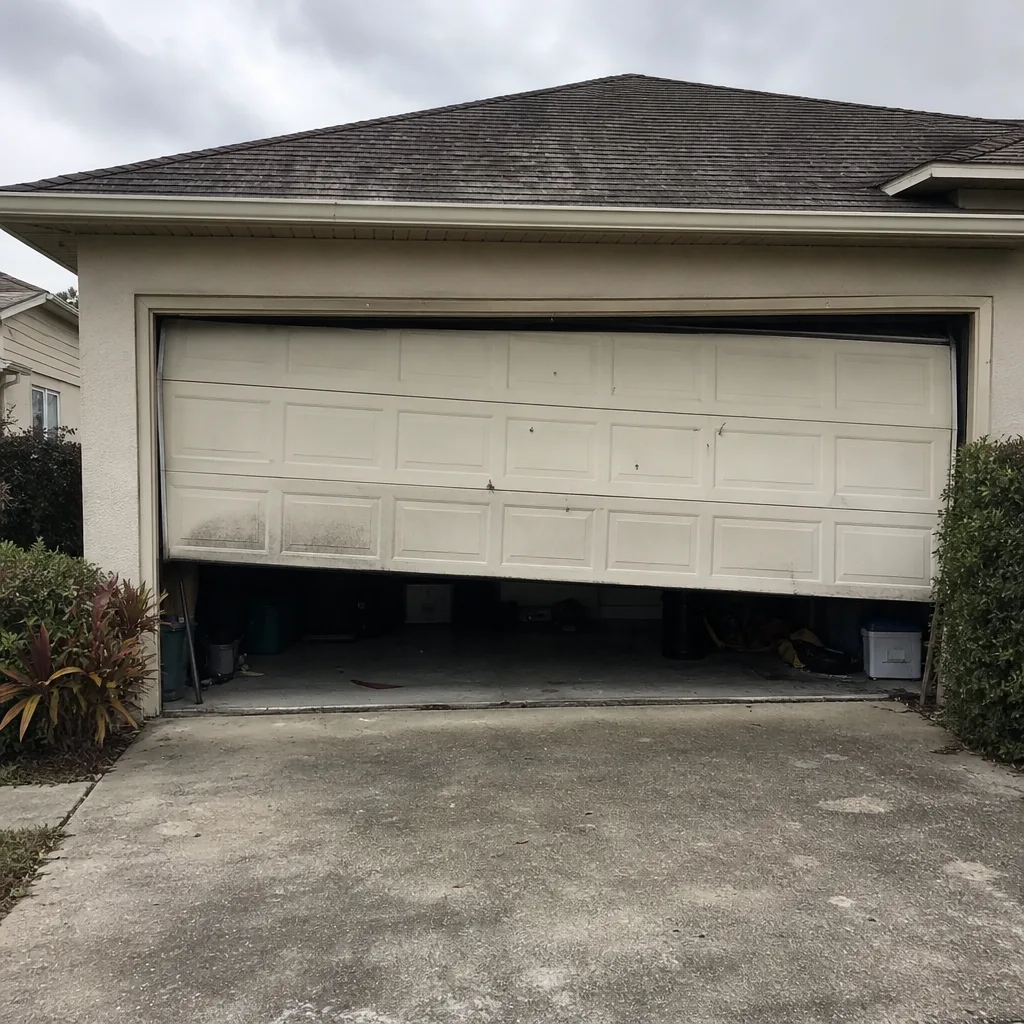 Before
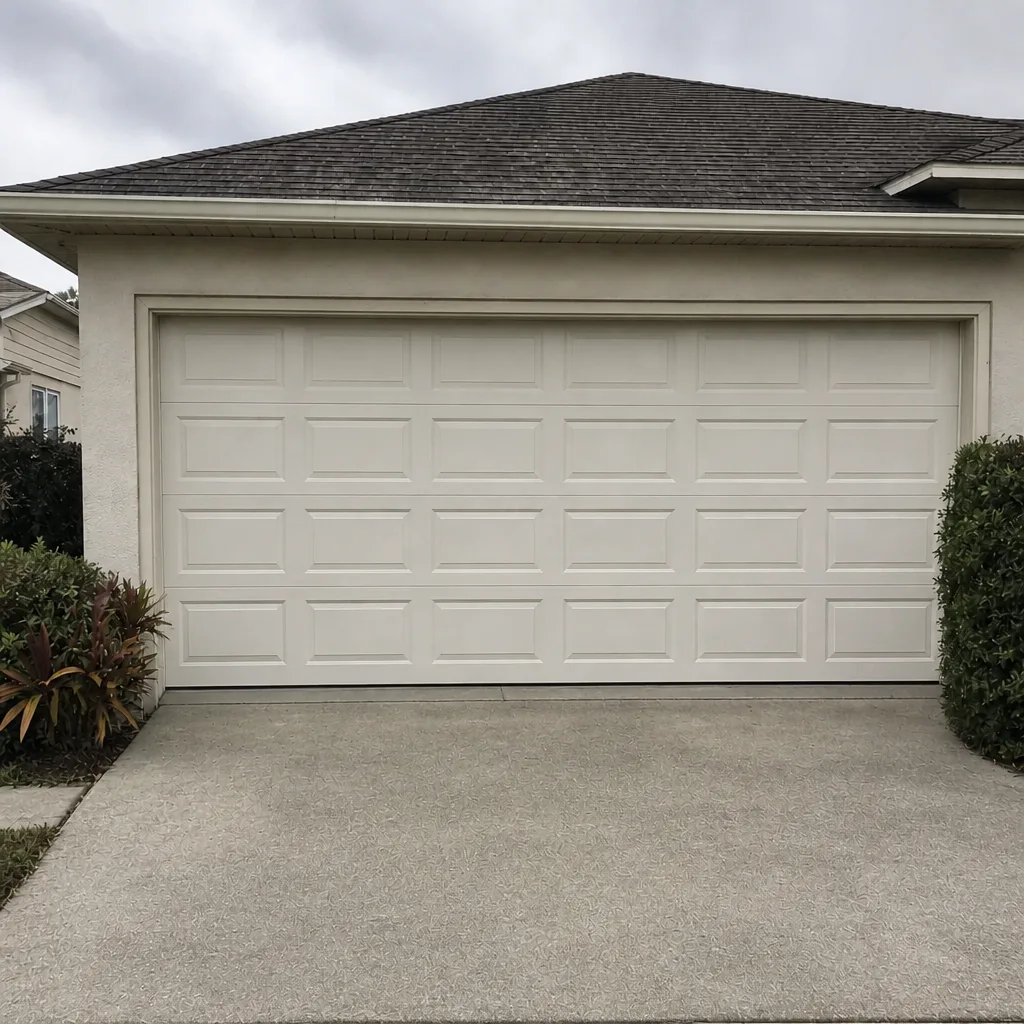 After
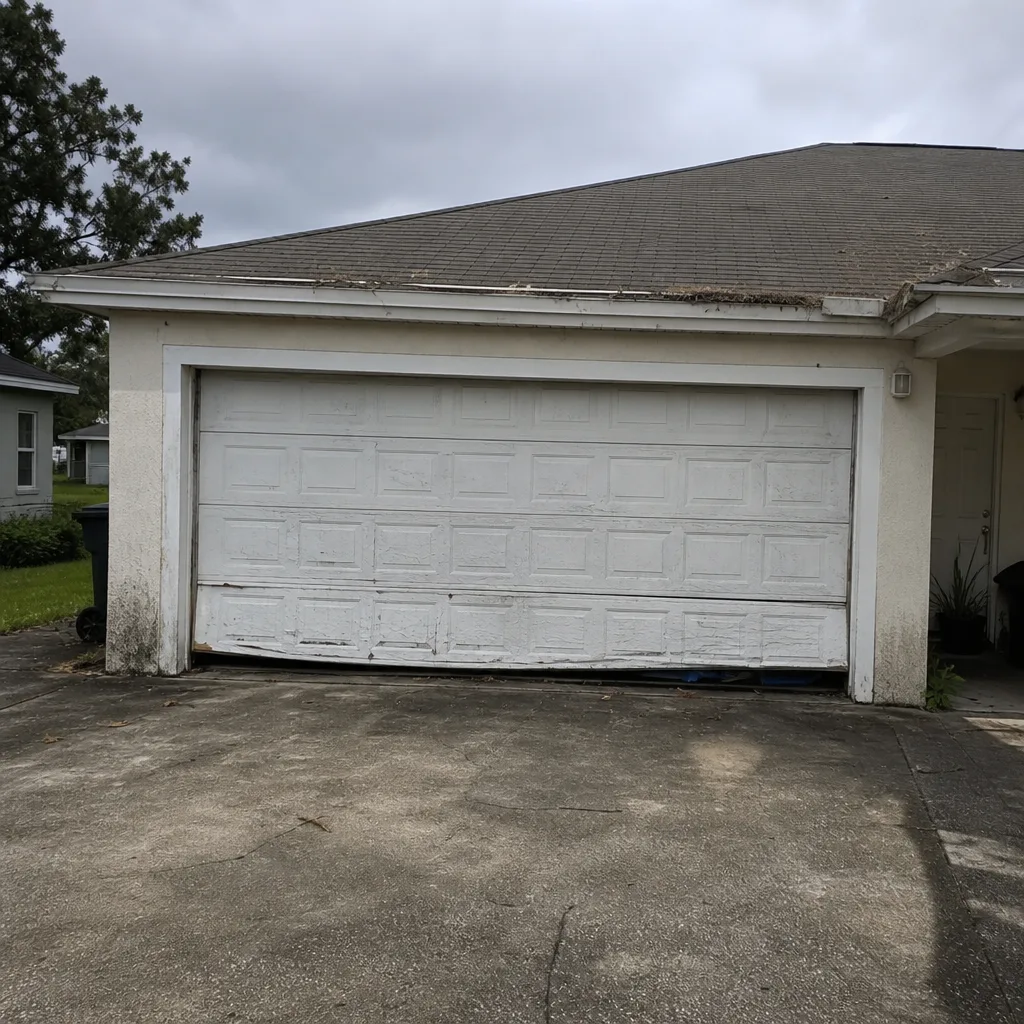 Before
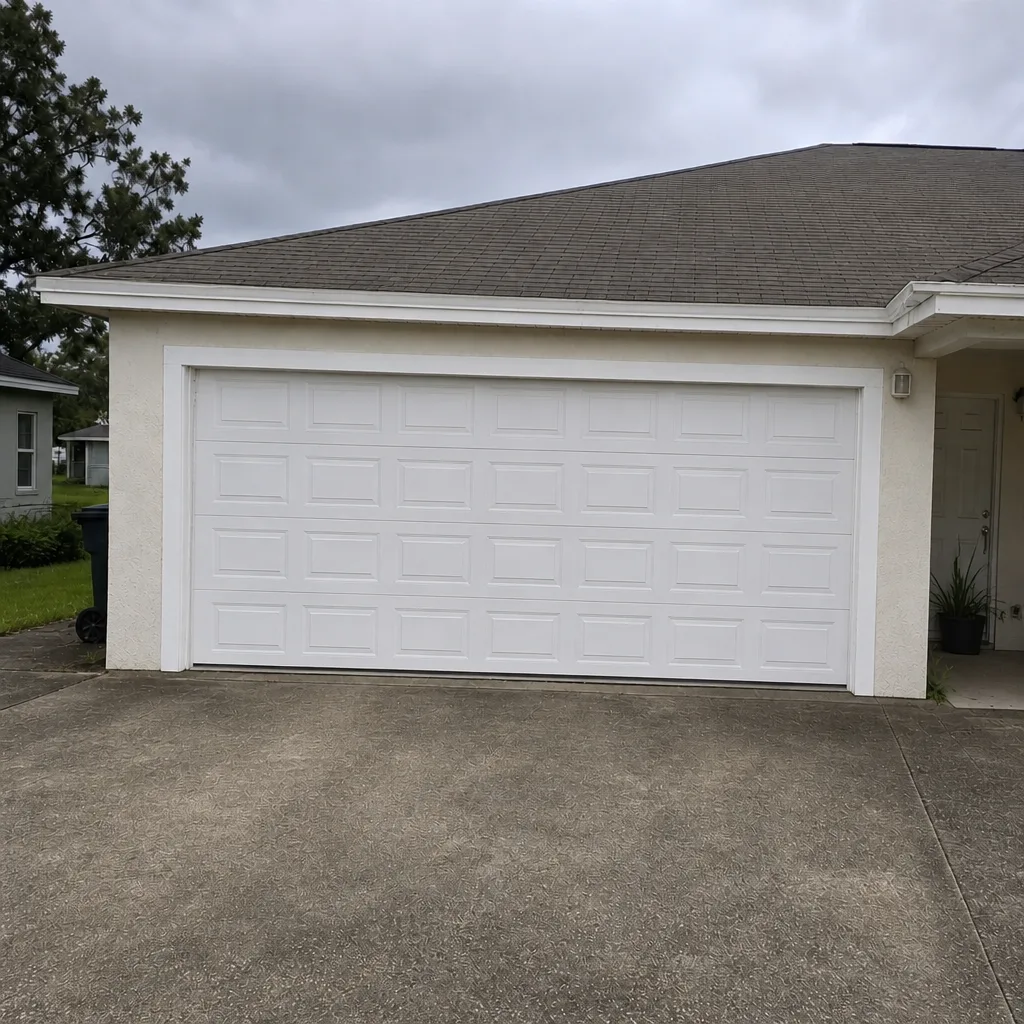 After
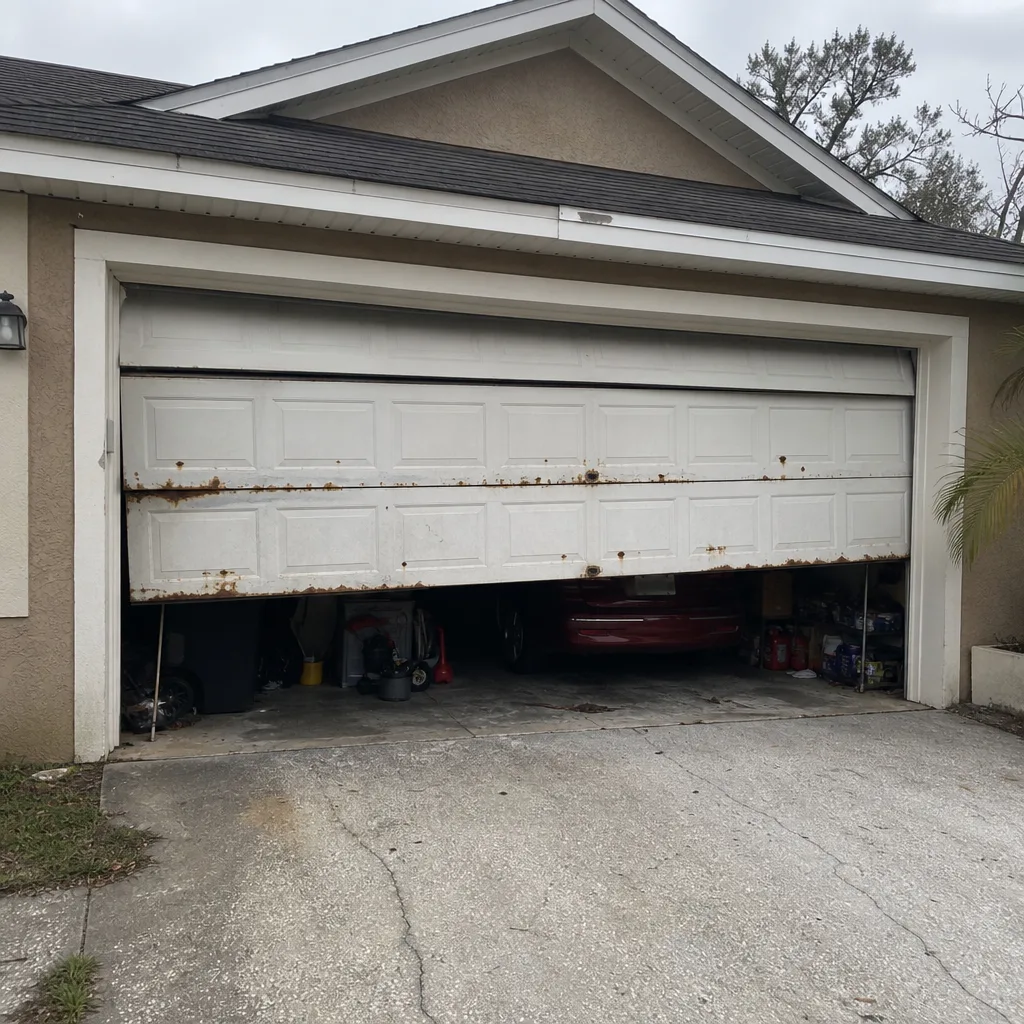 Before
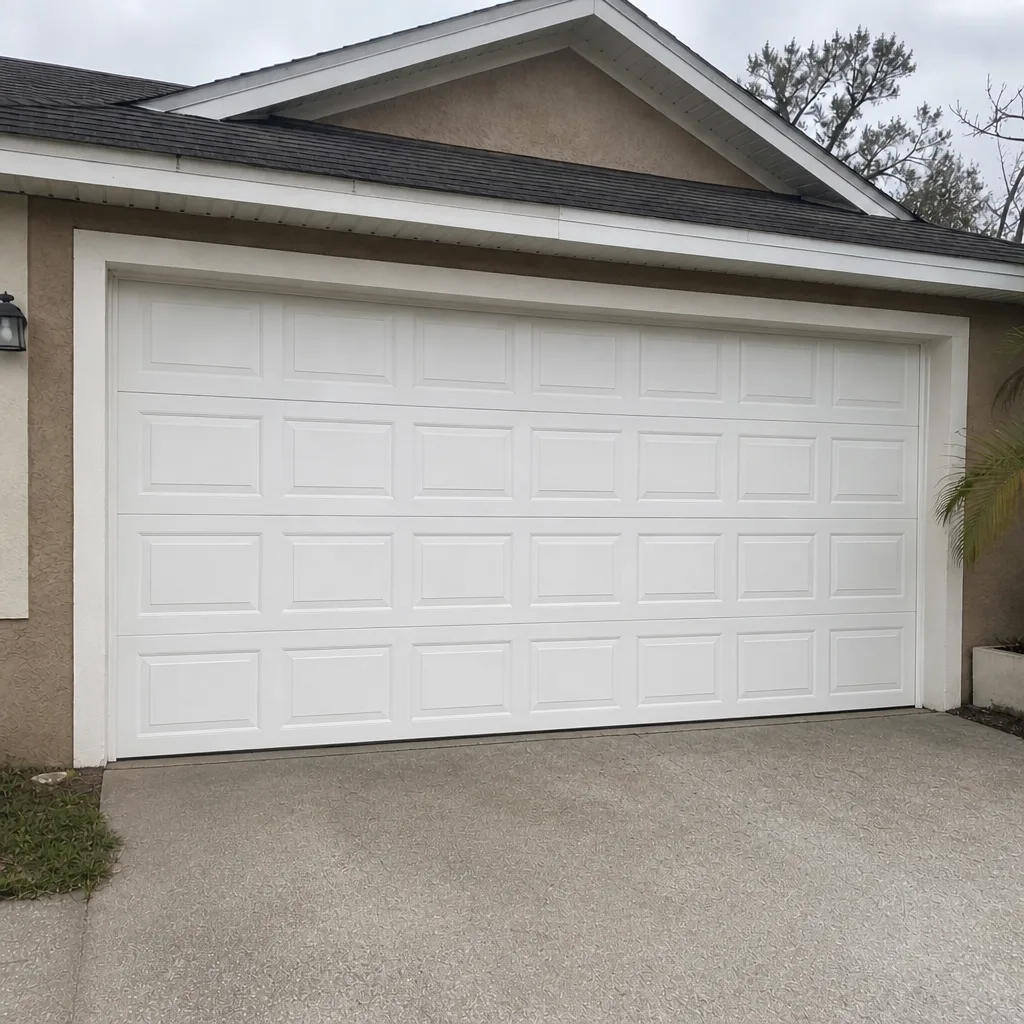 After