
Last updated November 21, 2026
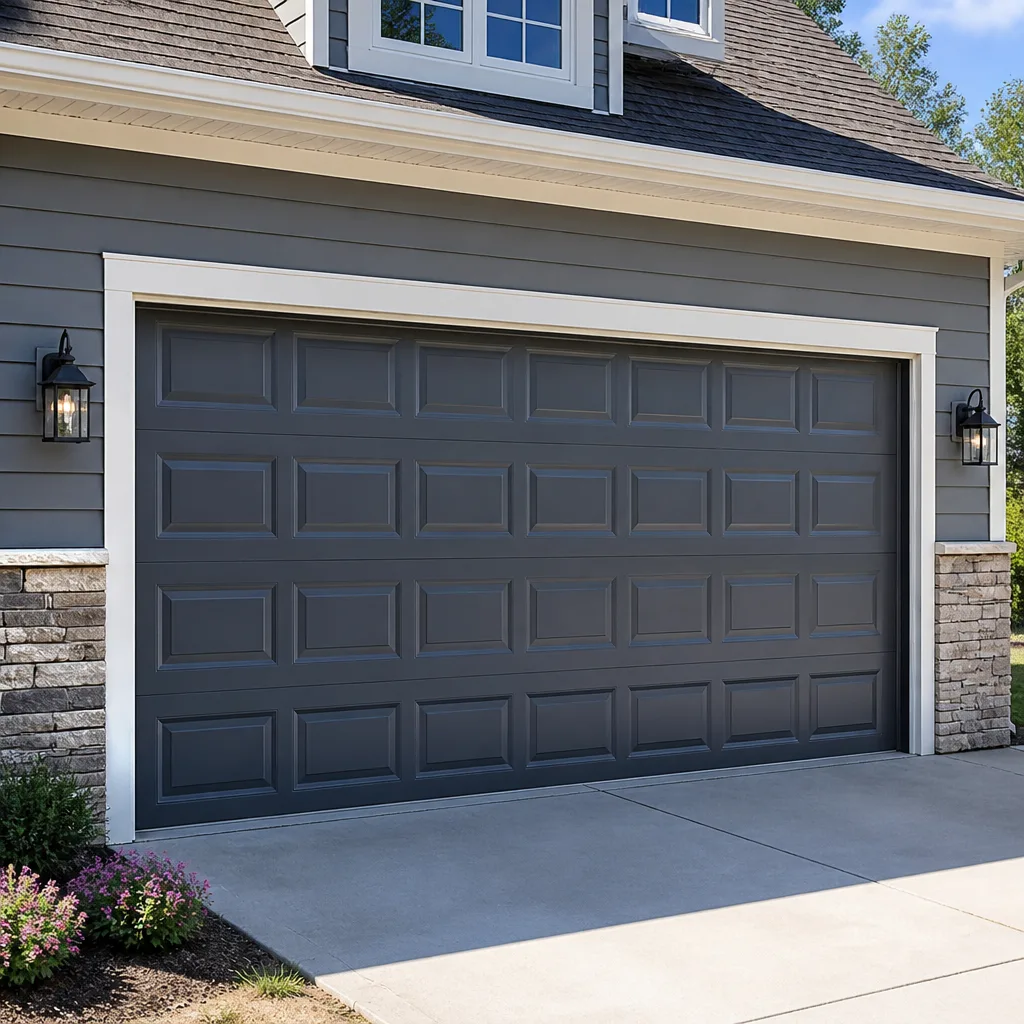 Raised-panel steel
 Carriage house
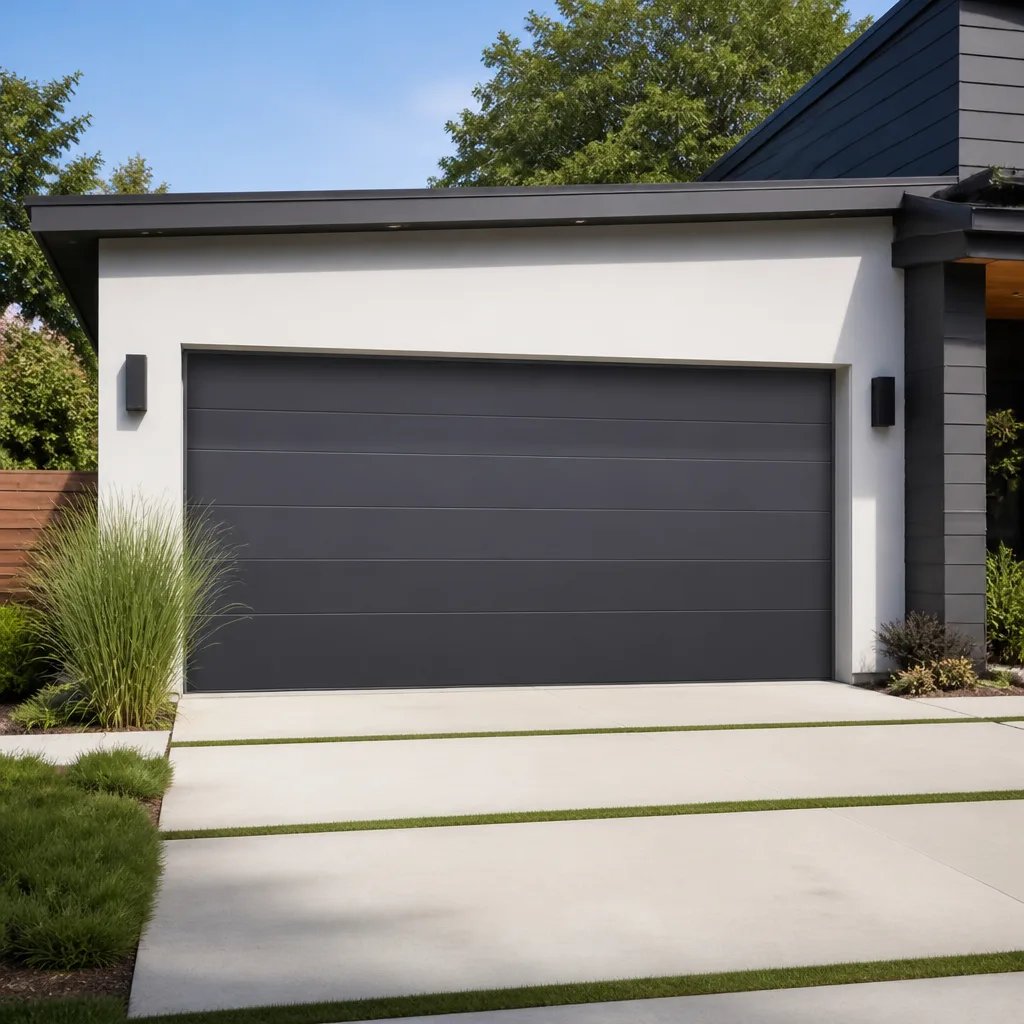 Modern flush
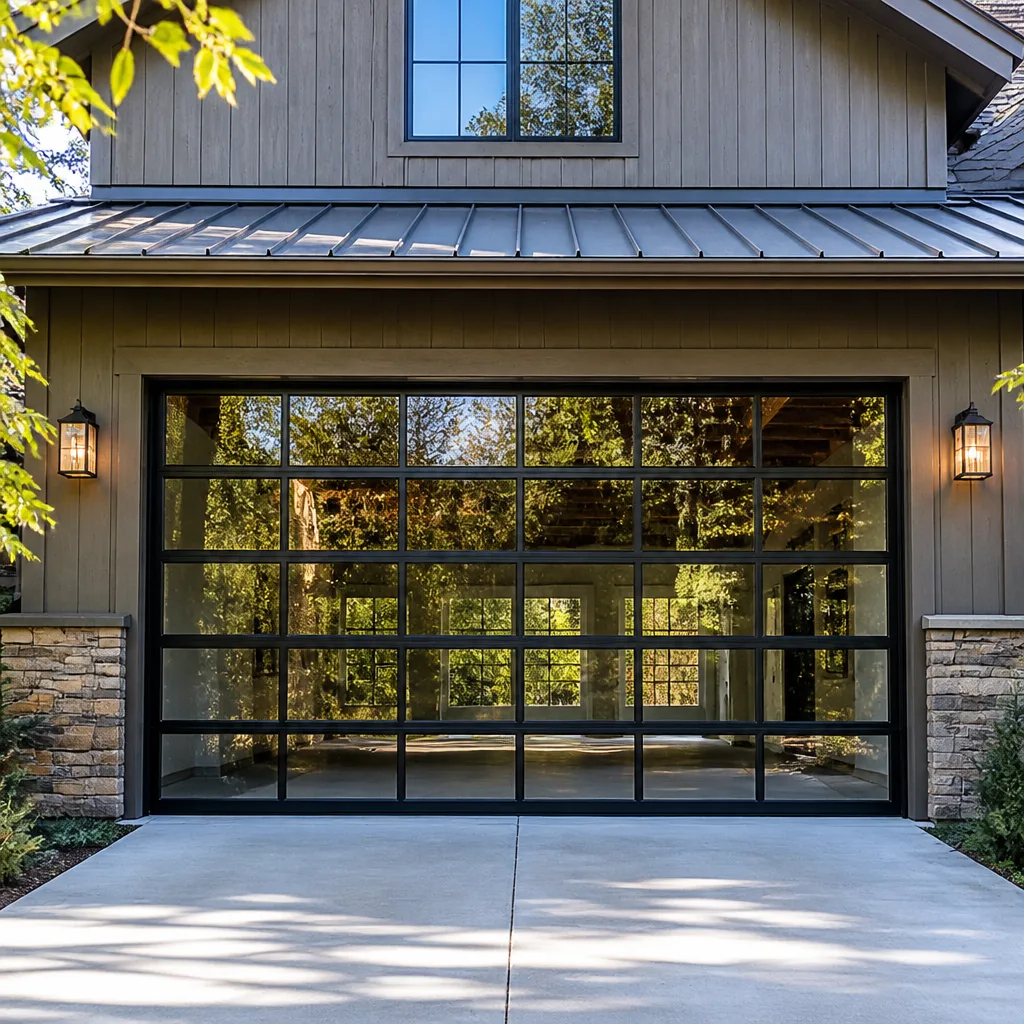 Full-view glass
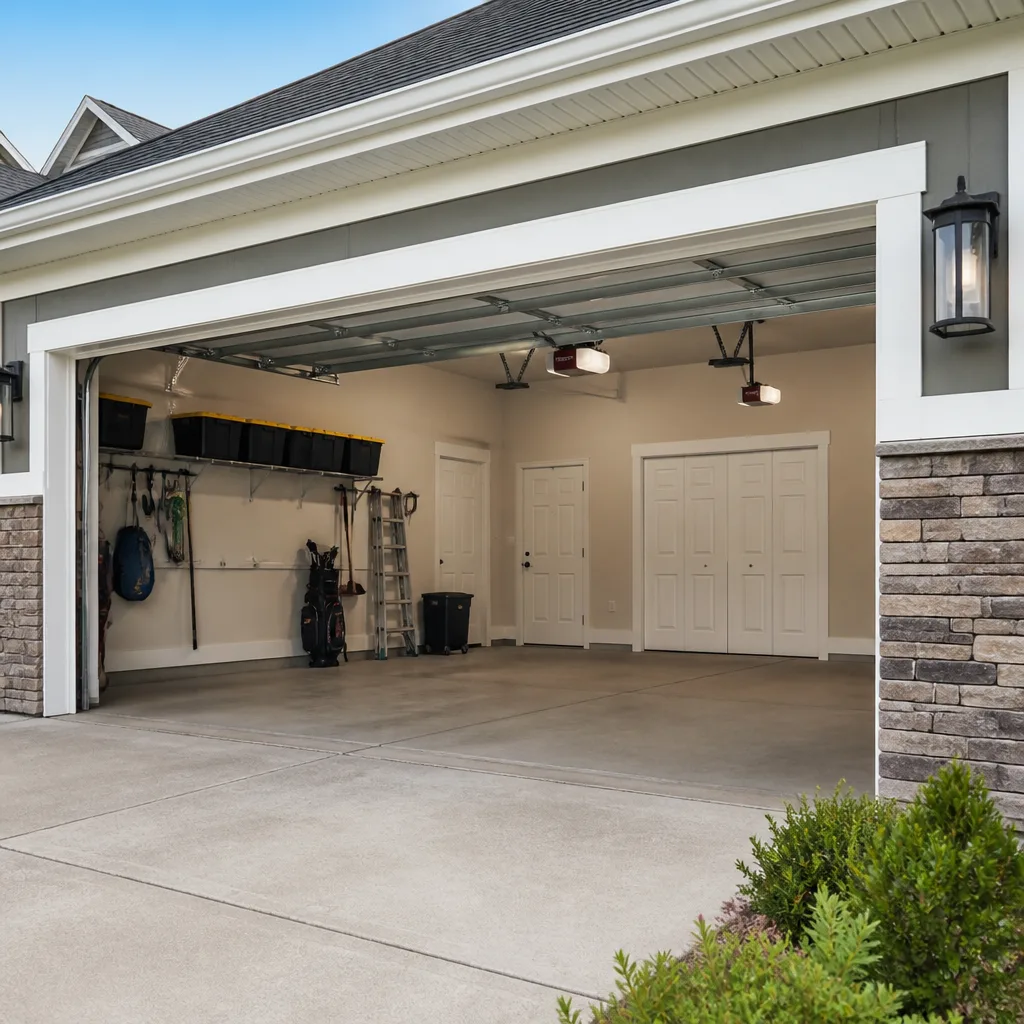 LiftMaster openers
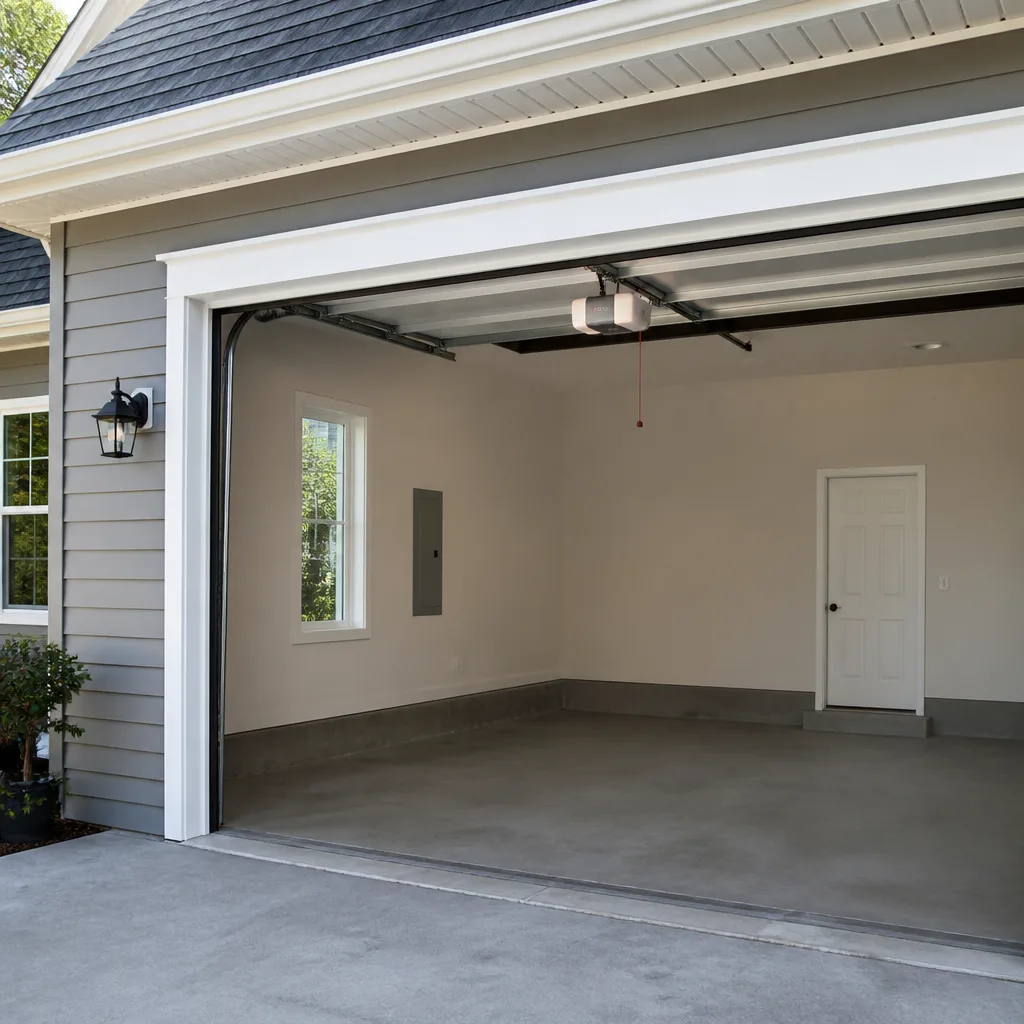 Chamberlain openers
Full 25-point door and opener safety check with every visit - springs, cables, rollers, tracks, and your LiftMaster or Chamberlain opener included
You get a price before we start. It does not change when the pro arrives.
Get your free estimateGarage Door Permits, Codes & Inspections in Poinciana, FL: What You Need to Know
Here’s the part most Poinciana homeowners learn too late: in Florida, the door that looks perfect and runs smoothly can still fail inspection. Wind-load ratings and product approval numbers decide whether a replacement garage door passes or gets flagged, and those requirements differ depending on which side of the Polk-Osceola county line your house sits on. Poinciana straddles both counties, which means two different building departments, two permit paths, and two sets of paperwork for the same job. This guide walks through when a permit is legally required, what a Florida Product Approval sticker actually proves, how a failed inspection can affect an insurance claim, and how to decide whether to pull the permit yourself or let a licensed contractor handle it.
Quick Answer
In Poinciana, FL, replacing a garage door almost always requires a building permit, and the door must carry a Florida Product Approval or Miami-Dade Notice of Acceptance number rated for the wind speed your address requires. Like-for-like hardware repairs, such as swapping a spring, roller, or opener, generally do not need a permit. Because Poinciana spans Polk and Osceola Counties, confirm with the correct building department which one has jurisdiction over your address before any work begins.
Styles & brands we work with
- Raised-panel steel
- Carriage house
- Modern flush
- Full-view glass
- LiftMaster openers
- Chamberlain openers
Table of Contents
- Which Building Department Issues Your Permit in Poinciana?
- When Is a Permit Actually Required for Garage Door Work?
- Florida Product Approval: What the Sticker Really Means
- Wind-Load Ratings and Hurricane Bracing Explained
- What Happens During a Garage Door Inspection
- How an Unpermitted Door Affects Your Insurance Claim
- Pulling the Permit Yourself vs. Using a Licensed Contractor
- Common Mistakes to Avoid
- When to Call a Professional
- Frequently Asked Questions
Which Building Department Issues Your Permit in Poinciana?
Poinciana is one of the few communities in Central Florida where your mailing address and your permitting authority don’t always match up the way you’d expect. The community stretches across the Polk County and Osceola County line, and each county runs its own building department with its own submittal forms, review timelines, and inspection scheduling. A homeowner on one street may file with Polk County while a neighbor a few blocks over files with Osceola County. Getting this wrong means a rejected application and a job that stalls before it starts.
The first step for any garage door replacement in Poinciana is confirming jurisdiction. Here’s how we walk homeowners through it:
- Find your property’s county on the Polk County Property Appraiser or Osceola County Property Appraiser website using your address or parcel number.
- Call the building department for that county and ask whether a garage door replacement at your address requires a permit and which form they want submitted.
- Ask specifically whether they require the door’s Florida Product Approval or Miami-Dade NOA documentation at submittal, or only at inspection.
- Confirm whether the county requires a licensed contractor to pull the permit or allows homeowner permits for a single-family residence you occupy.
In our experience, the two counties can differ on how much documentation they want attached to the application and how they schedule the final inspection. Neither difference is dramatic, but both matter if you’re trying to plan around a delivery date. Poinciana homeowners who call ahead to the correct department save themselves a round of resubmittal, and that’s often the difference between a door installed on schedule and a door sitting in a crate in the driveway.
When Is a Permit Actually Required for Garage Door Work?
The vague answer you’ll hear is “check with your city,” which helps nobody. Here’s the practical threshold. Any full garage door replacement, meaning a new door and its associated hardware and track, generally requires a building permit in both Polk and Osceola Counties because it’s a structural opening in the building envelope and the door carries a wind-load rating that has to be verified. Replacing a door with one of the same size and rating is still a replacement. Changing the door’s size, adding windows, or switching from a solid door to one with a different wind rating is definitely a permit job.
What typically does not require a permit:
- Replacing a torsion or extension spring with one of the same specification.
- Swapping rollers, hinges, cables, or bearings.
- Repairing or replacing a garage door opener with a unit of similar capacity, including common LiftMaster, Chamberlain, or Genie models.
- Adjusting track alignment or replacing a bent section of track.
- Replacing a single damaged panel with an identical panel, when the door’s structural rating is unchanged.
The line gets blurry when a repair becomes a rebuild. Replacing one panel with an identical one is maintenance. Replacing multiple panels in a way that changes the door’s structural performance, or retrofitting a door with new bracing, moves into permit territory. In our experience, most Poinciana homeowners asking “do I need a permit for this?” are asking about a repair, not a replacement, and the answer is usually no. Call the building department for your county to confirm the specific case before work starts.
Florida Product Approval: What the Sticker Really Means
Walk through any home improvement store and you’ll see doors marketed as “wind-resistant,” “impact-rated,” or “storm-ready.” None of those phrases mean anything to a building inspector. What counts is a Florida Product Approval number, sometimes called an FL number, or a Miami-Dade Notice of Acceptance number, often called a NOA. Those are the only two credential systems Florida building officials recognize when they verify that a product meets the wind-load requirements for its intended location.
Here’s what the sticker on a compliant door actually tells you:
- The approval number itself – a Florida Product Approval (FL) or Miami-Dade NOA number that can be looked up in the state database.
- The design pressure rating – stated in pounds per square foot (psf), positive and negative, showing how much wind pressure the door assembly is rated to resist.
- The product description – the exact door model, size, and configuration the approval covers, because a rating on a 9-foot door does not automatically apply to a 16-foot door.
- Installation requirements – the approved anchoring, bracing, and mounting method, because a rated door installed the wrong way is not a rated door.
Marketing language is not documentation. A door sold as “hurricane-rated” without a matching FL or NOA number on its label will fail inspection even if it performs well. We work with Clopay, Amarr, Wayne Dalton, and Raynor doors regularly, and each manufacturer issues product approval documents that the installer has to keep on hand for the inspector. If your installer can’t produce the right approval paperwork for the specific door and size they’re putting on your Poinciana home, that’s a red flag worth taking seriously before the permit is pulled.
Wind-Load Ratings and Hurricane Bracing Explained
Florida’s building code assigns each address a design wind speed based on its location, and that wind speed translates into a required design pressure for the garage door assembly. In Central Florida, that requirement typically falls in a range that calls for either a standard or a reinforced door depending on the home and its exposure. Because garage doors are the largest opening on the front of most homes, they’re also one of the weakest points in high wind. A door that isn’t rated for the wind speed at that address can bow, pull out of its tracks, or fail inward.
Hurricane bracing is the hardware side of that requirement. It’s not a single product but a system: heavier-gauge tracks, additional vertical reinforcement, reinforced hinges, and a stronger center strut that together hold the door’s shape under load. Some bracing is built into the door at the factory, and some is added at installation. The approved installation method matters, because the same door with the wrong anchors or the wrong number of struts is no longer compliant.
We’ve seen plenty of Poinciana homes where a nice-looking door was installed without the matching bracing package for its rating. It opens and closes fine, but the paperwork and the hardware don’t line up with what the code required. That’s the kind of gap an inspector catches. If you’re choosing a door, ask for the product approval document for the specific size you’re buying, and confirm that the bracing called out in the approval is part of the installation. On any work involving the door’s mechanical system, including torsion hardware, remember that the springs are under extreme tension and should only be handled by a trained technician. If you’re chasing down spring problems, our garage door spring repair page explains what that work involves.
What Happens During a Garage Door Inspection
The inspection for a garage door permit is usually straightforward, but the details matter. The inspector is verifying three things: that the installed door matches the permitted product approval, that the anchoring and bracing match the approved installation method, and that the door operates safely. Here’s typically how it goes.
- Paperwork check. The inspector reviews the permit, the product approval or NOA document, and confirms the door model and size installed match the submission.
- Sticker verification. The label on the door assembly should carry the approval number. If the label has been removed or painted over, that becomes a problem.
- Anchoring and bracing check. The inspector looks at the track, brackets, and center strut to confirm the approved installation method was followed.
- Operation and safety check. The door should open and close smoothly, the auto-reverse should function, and the photo-eye safety sensors should stop the door if the beam is broken.
- Final sign-off. If everything aligns, the permit closes and the work is legally recorded.
When an inspection fails in Poinciana, the most common reasons are a mismatch between the approval number submitted and the door installed, missing bracing, or a photo-eye that isn’t aligned. None of these usually require taking the door back down, but they do mean a correction and a re-inspection. In our experience, a clean inspection is mostly a paperwork discipline question. The technician on the job needs the right documentation on site, and they need to have installed the assembly the way the approval document specifies, not the way it’s quickest.
How an Unpermitted Door Affects Your Insurance Claim
This is where the stakes get real. If a garage door fails during a named storm and your insurer finds out the door was a replacement installed without a permit, the claim can become complicated. That doesn’t automatically mean the claim is denied, but it does mean the claim is now subject to a coverage question that a properly permitted job would never have raised. Insurance policies commonly require that work affecting the building envelope comply with applicable building codes, and an unpermitted replacement leaves that compliance unproven.
What insurers typically look for after storm damage:
- Proof the door was permitted and inspected at installation.
- Documentation that the installed door carried a product approval matching the address’s wind requirements.
- Records showing who installed the door and when.
Without those records, the claim can drag, the payout can be negotiated down, or the door portion of the claim can be excluded. We can’t tell you how a specific insurer will handle a specific claim, because that depends on your policy. What we can tell you is that a permit and inspection record is the simplest evidence a homeowner can have, and pulling one on a garage door replacement in Poinciana is a small step compared to the cost of a contested claim after a storm. If the door itself is already failing, our garage door repair page covers what to expect from the repair side.
Pulling the Permit Yourself vs. Using a Licensed Contractor
Florida allows homeowners to pull permits on their own primary residence in many cases, and that’s a real option worth knowing about. It is not, however, the same path as letting a licensed contractor pull the permit for you. The difference goes beyond paperwork. When a contractor pulls the permit, the contractor is on record as the responsible party for the job, which means their licensing, insurance, and liability are all attached to the work. If a problem surfaces after inspection, the record points to them, not you.
Here’s how the two paths compare in practice for a Poinciana garage door replacement:
- Homeowner permit: You submit the application, provide the door’s product approval, schedule the inspection, and meet the inspector on site. You are the responsible party if anything is questioned.
- Contractor permit: The licensed contractor submits under their license, keeps the approval documentation on hand, schedules the inspection, and is the party of record for compliance. If something needs correction, that’s their problem to fix, not yours.
The point most homeowners miss is liability. If you pull the permit and the install doesn’t meet the approved method, you’re the one on the record for the failed inspection. That’s a fine trade if you have the expertise. For a garage door replacement involving wind-load ratings and hurricane bracing, most people don’t. When a licensed contractor pulls the permit, the compliance responsibility sits with them, and you get a clean record without managing an unfamiliar process. Our technicians have up to 9 years of experience with Florida permitting, and we handle the submittal and inspection coordination as part of the job. If you need opener work alongside the door, our garage door opener repair page covers that separately.
Common Mistakes to Avoid
- Assuming all of Poinciana files with the same building department. The county line runs through the community, so the first question is always which county your address belongs to. Getting it wrong means a rejected application and a lost week.
- Buying a door based on the marketing label instead of the product approval. “Wind-resistant” on a brochure means nothing to an inspector. The FL or NOA number on the door label is the only thing that counts.
- Installing the right door the wrong way. A rated door without the approved bracing and anchoring is not a compliant door. The installation has to match the approval document, not just the door.
- Skipping the permit to save time. An unpermitted replacement can complicate an insurance claim after a storm, and the permit is a small step compared to the cost of a contested claim.
- Letting a handyman install the door and pull the permit under a license that doesn’t cover it. Garage door replacement involves a structural opening with a wind rating. Make sure whoever pulls the permit is actually licensed for the work.
- Forgetting to keep the inspection record. Once the permit closes, save the signed inspection card or the digital record. That’s the piece of paper you’ll want after a storm.
- Assuming your old door’s rating is fine because it’s still standing. Older doors in Poinciana may predate current requirements. If you’re replacing, the new door has to meet the current standard for your address, not the standard from when the original was installed.
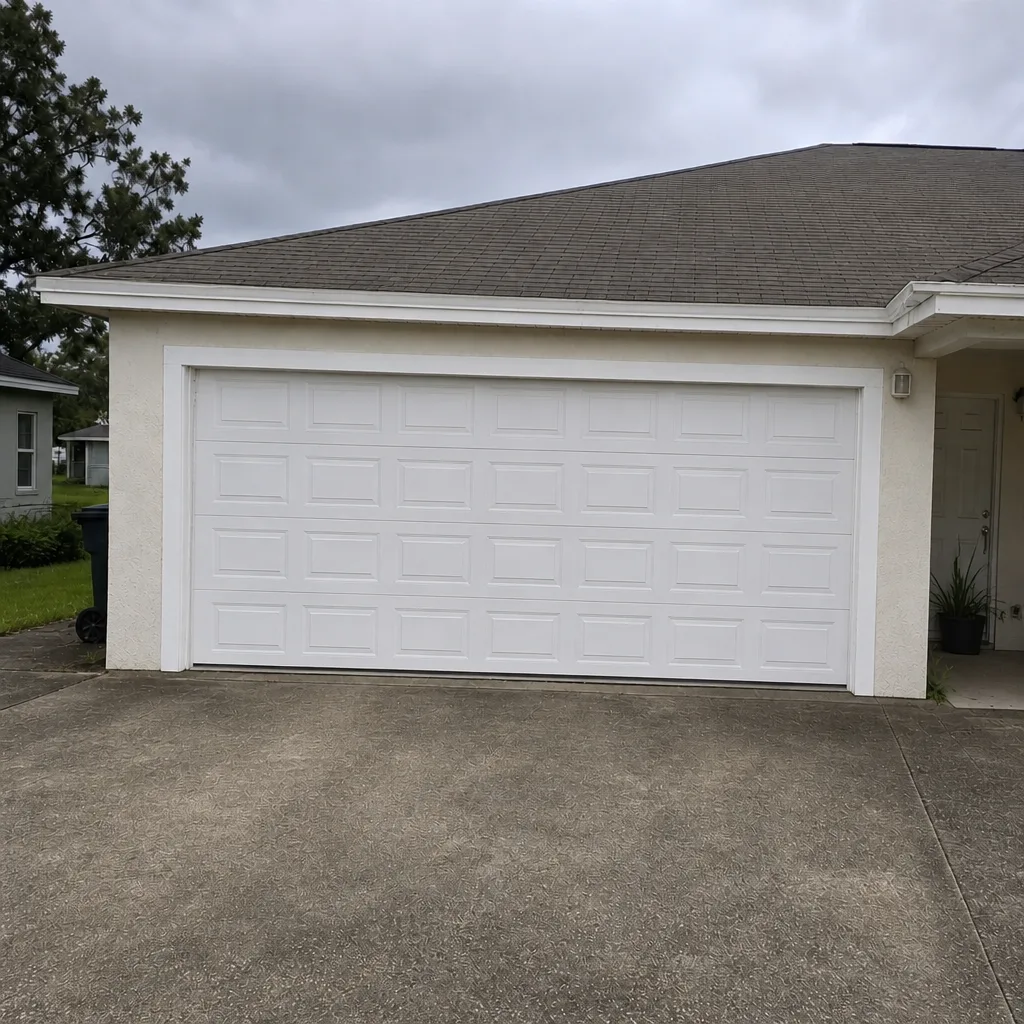
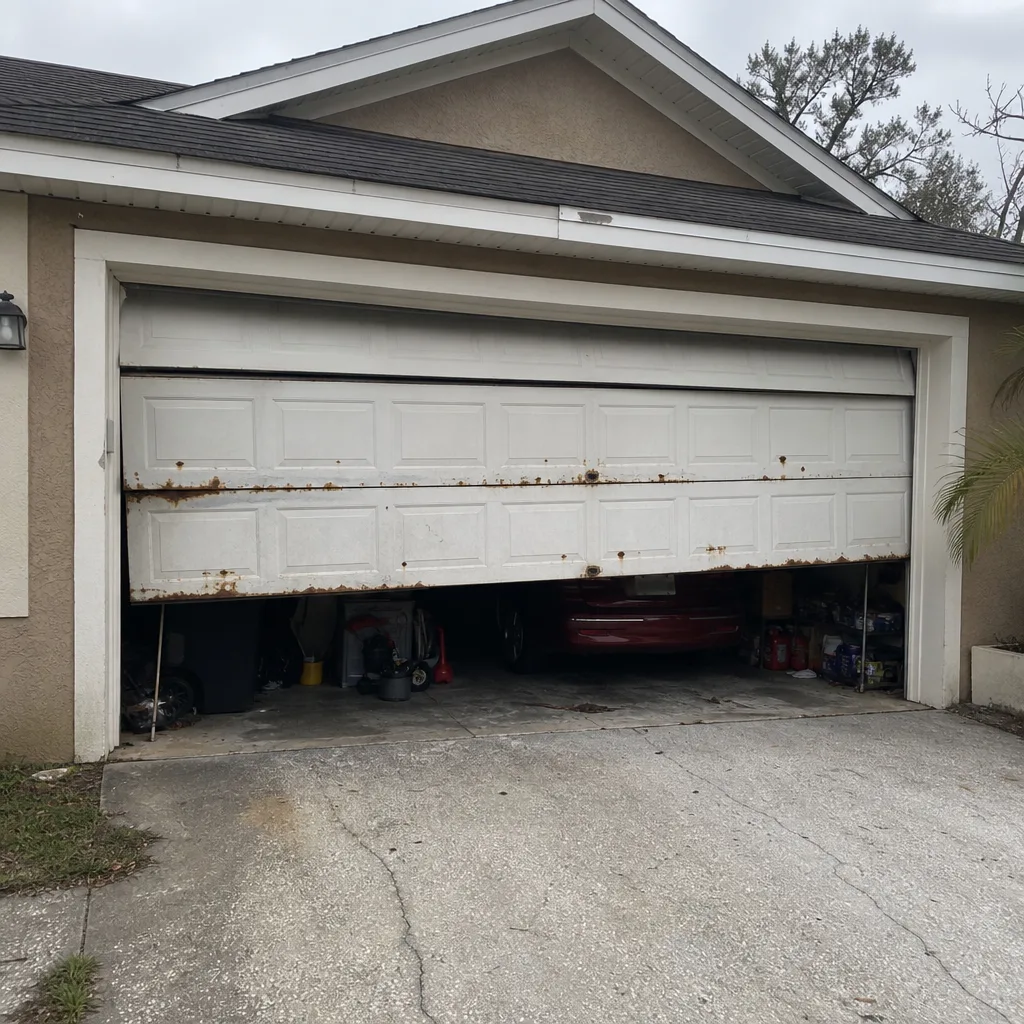
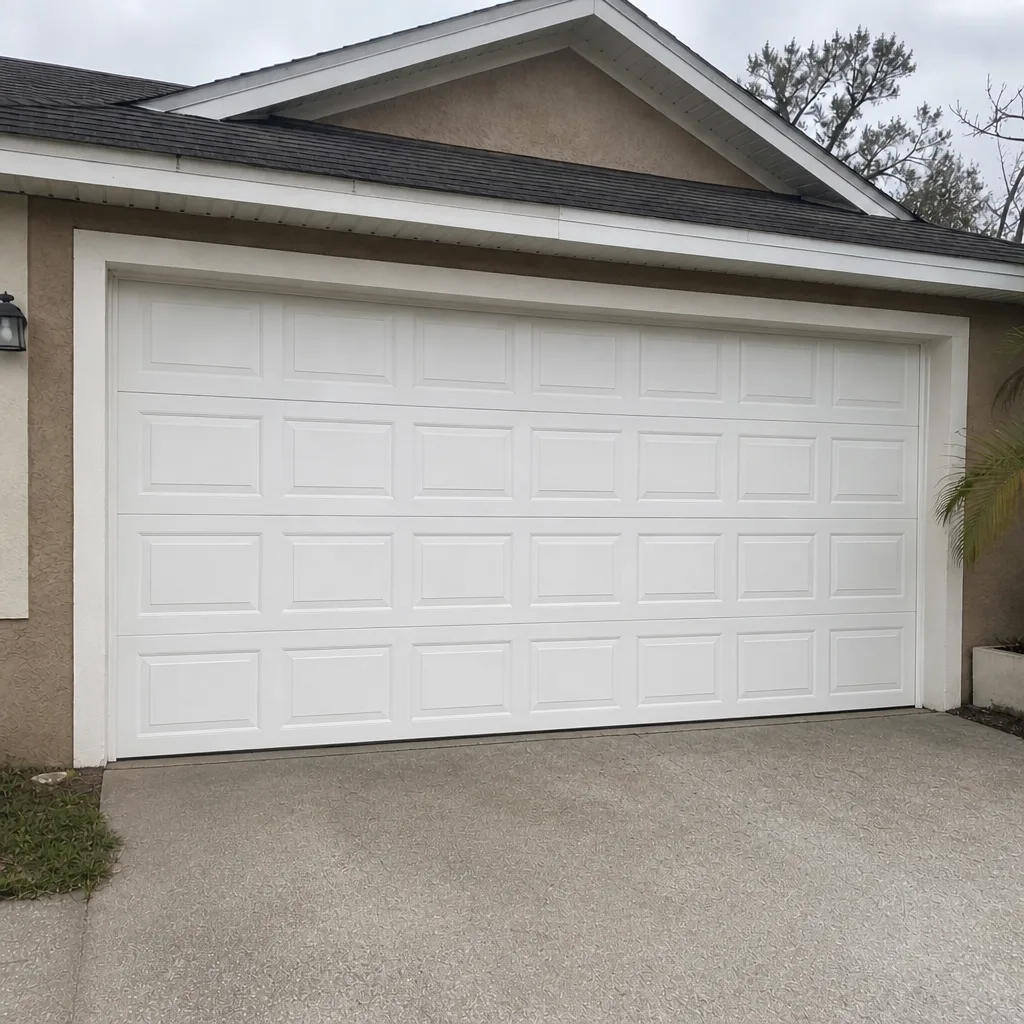
See the difference
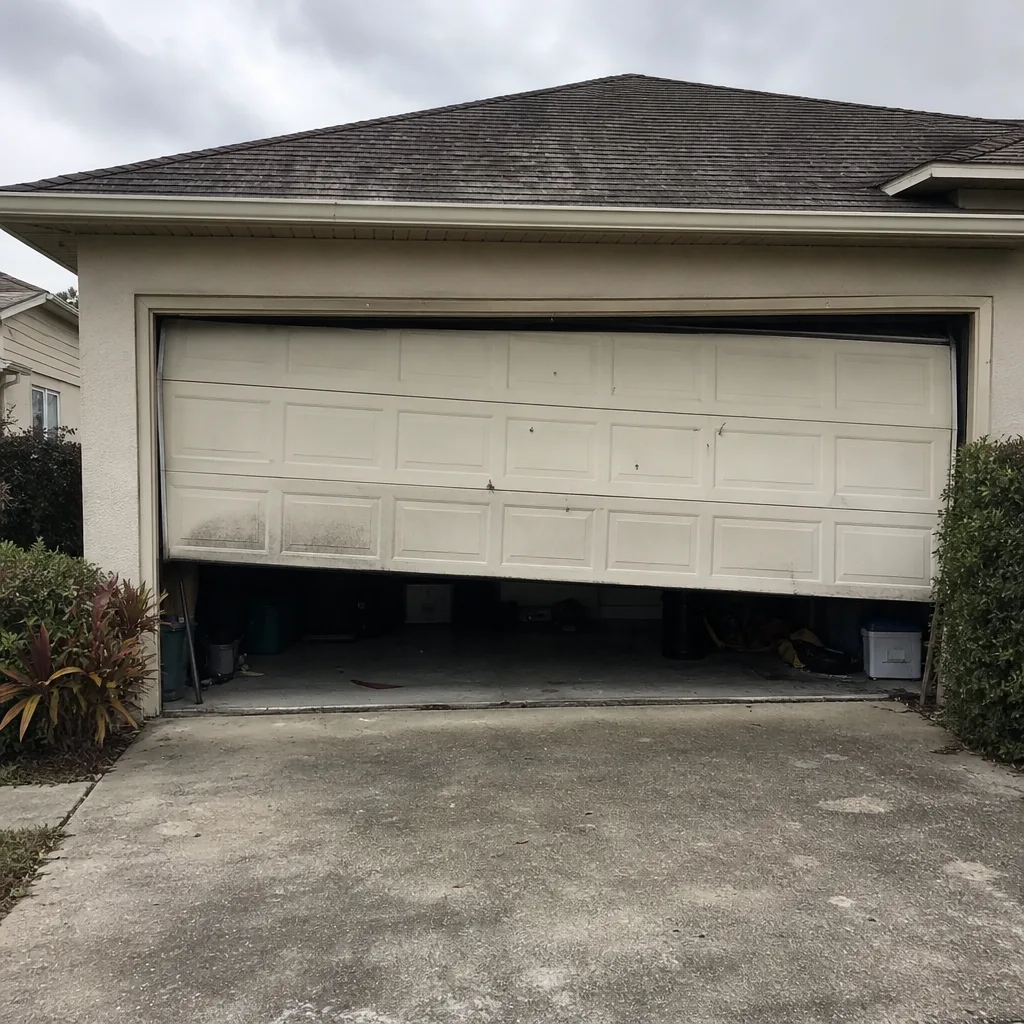 Before
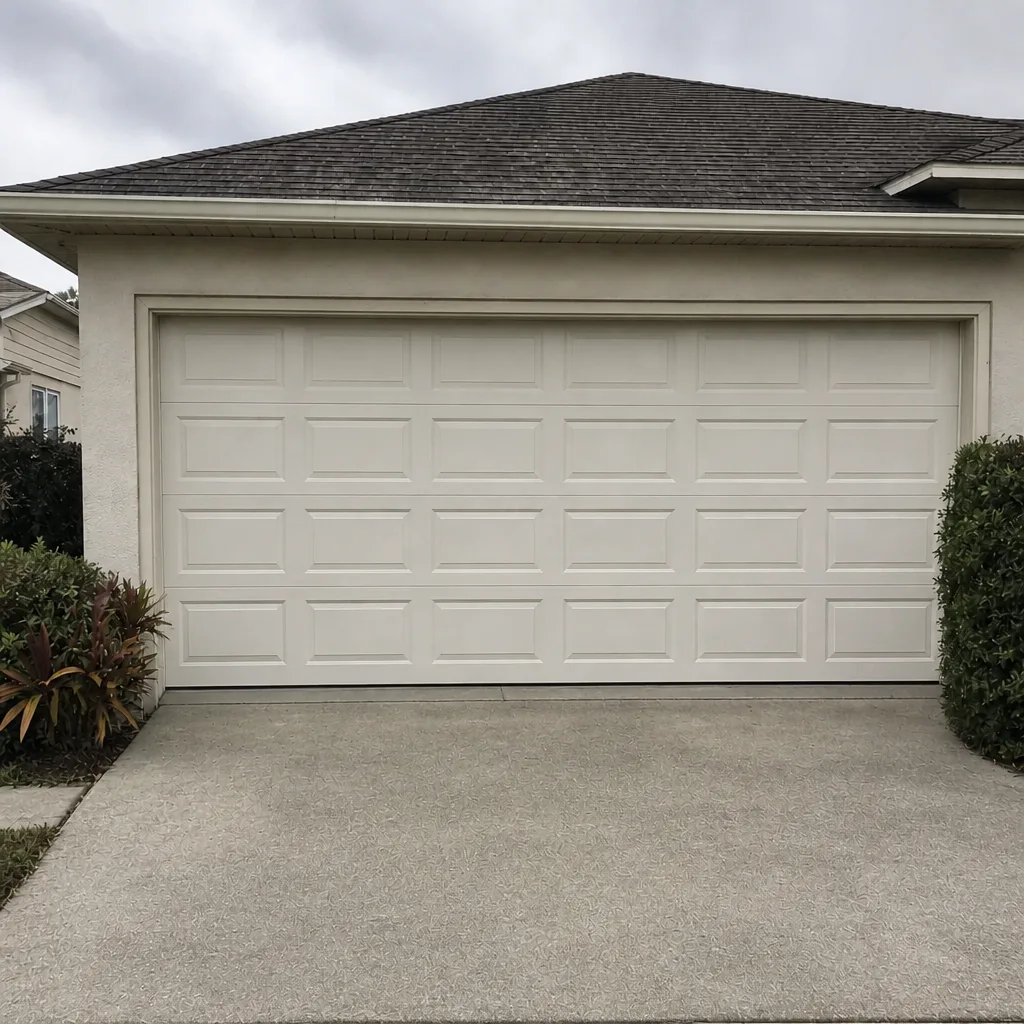 After
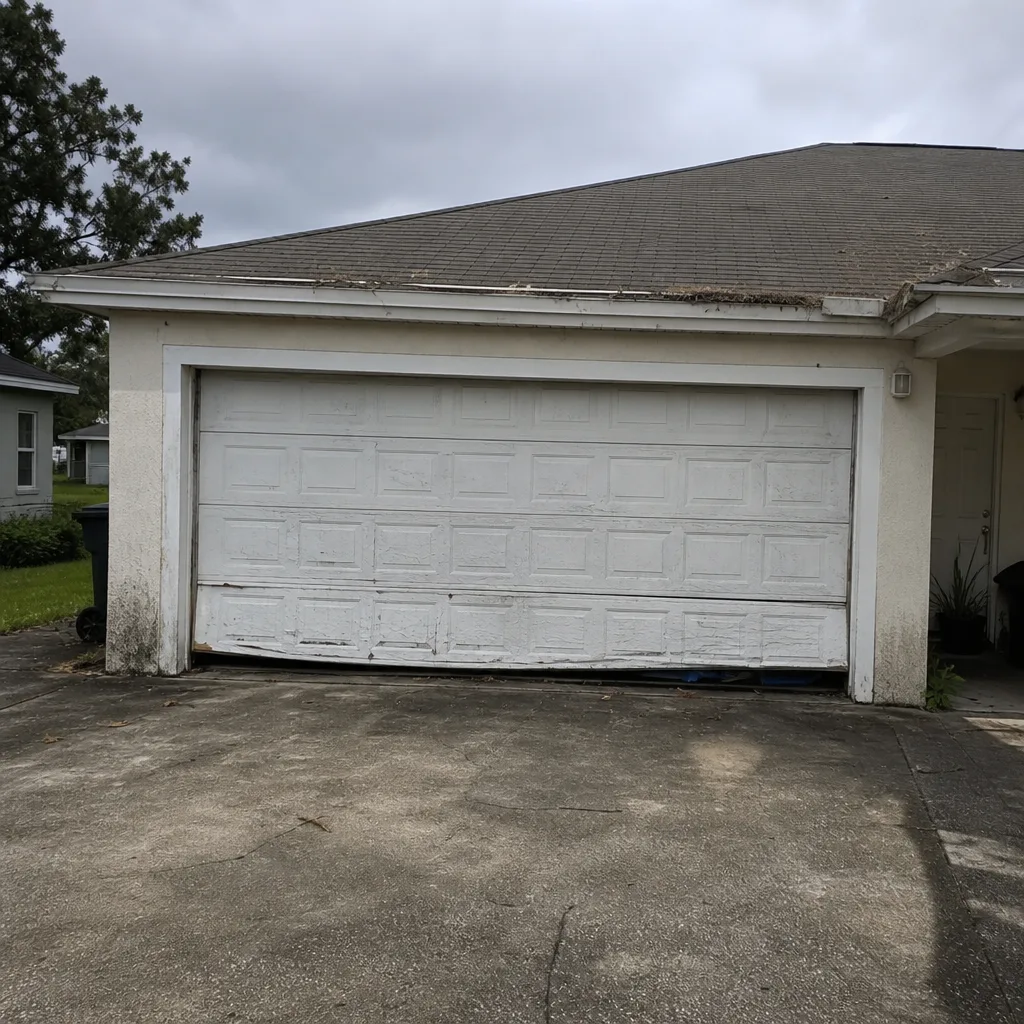 Before
 After
 Before
 After
When to Call a Professional
Some garage door questions have simple answers you can handle with a phone call to your county. Others need a licensed professional on site. Call when your door is being replaced and you need the product approval, bracing, permit, and inspection handled correctly. Call when you suspect a previous replacement was done without a permit and you want to know what that means for your records. Call when the door has storm damage that could affect its structural rating. Call when a spring has failed, the door is stuck, or the opener keeps reversing and you’re not sure whether it’s a repair or a replacement. Torsion spring work in particular is the highest-risk task in this trade and should only be handled by a trained technician.
Poinciana Garage Door Repair Co offers free estimates in Poinciana. We work with LiftMaster, Chamberlain, Genie, Clopay, Amarr, Wayne Dalton, Craftsman, and Raynor equipment, and we handle brand-agnostic diagnostics on whatever is already on your door. Springs, openers, panels, full doors: one call covers it. Call (877) 471-4560. We answer 24/7. Fast dispatch from 7am to 7pm, Sunday through Friday.
Frequently Asked Questions
Yes, in most cases. A full garage door replacement in Poinciana generally requires a building permit from Polk County or Osceola County, depending on which side of the county line your address sits on. The permit confirms the door’s wind-load rating and product approval for your location. Call (877) 471-4560 for a free estimate that includes permit handling – estimates are free.
Look up your address on the Polk County Property Appraiser or Osceola County Property Appraiser website; the county of record is your permitting authority. Poinciana spans both counties, so a neighbor down the street may file with a different department than you do. When in doubt, call the building department directly and confirm before submitting anything. Call (877) 471-4560 if you want us to help sort it out – estimates are free.
A Florida Product Approval, or FL number, is the state credential that documents a garage door’s wind-load rating and approved installation method. Inspectors verify the number against the door installed, and a door without it fails inspection regardless of how it looks. Miami-Dade NOA numbers serve the same purpose. Call (877) 471-4560 for a free estimate – we supply the right documentation for your address.
A permit and inspection record is the simplest proof that your replacement door met code at installation, which is often exactly what an insurer asks for after storm damage. Without that record, a claim on the door can become a coverage question. We can’t tell you how a specific policy will respond, but the permit is the documentation that makes the claim simpler. Call (877) 471-4560 for a free estimate on a permitted replacement.
A failed inspection in Poinciana usually means a correction and a re-inspection, not a full teardown. Common causes are a mismatched approval number, missing bracing, or misaligned safety sensors. Most corrections are straightforward once the paperwork and hardware are brought into line with the approved method. Call (877) 471-4560 for a free estimate if you’ve inherited an unpermitted install – estimates are free.
Florida often allows homeowners to pull permits on their own primary residence, but doing so puts you on record as the responsible party if the install fails inspection. A licensed contractor pulling the permit shifts compliance responsibility to them and provides liability protection most homeowners don’t consider. Both paths are legal; the difference is who owns the problem if something goes wrong. Call (877) 471-4560 for a free estimate and we’ll walk through the options.
No, in most cases. Spring replacement, opener replacement, roller and hinge swaps, and track repairs are maintenance work and generally don’t require a permit. The permit threshold applies to replacements of the door itself, since the door carries the structural wind-load rating for the opening. Call (877) 471-4560 for a free estimate on repair work – estimates are free.
Timelines vary by county and by submission completeness, so we won’t give you a number that could be wrong for your address. What we can say is that a complete submittal with the correct product approval document attached moves faster than one that gets flagged and returned. Confirm the current timeline with your county’s building department. Call (877) 471-4560 for a free estimate – we handle submittal and inspection coordination.
The Bottom Line
Poinciana’s split between Polk and Osceola Counties makes garage door permitting a two-answer question, and the first step is always confirming which department has jurisdiction over your address. A full door replacement almost always needs a permit; a spring, roller, or opener repair almost never does. The door itself must carry a Florida Product Approval or Miami-Dade NOA number rated for the wind speed at your location, and the installation has to match the approved method, including hurricane bracing. A permitted, inspected job is your best protection if you ever file a storm claim. Whether you pull the permit yourself or have a licensed contractor pull it, the record is the point. Call (877) 471-4560 for a free estimate on any Poinciana garage door job, from a spring replacement to a full permitted installation with inspection coordination.
Learn more about Poinciana Garage Door Repair Co and the full range of work we handle across Poinciana and the surrounding communities.
Written by the team at Poinciana Garage Door Repair Co.